










Aerospace & Defense


When Downtime Isn't an Option, Access Matters
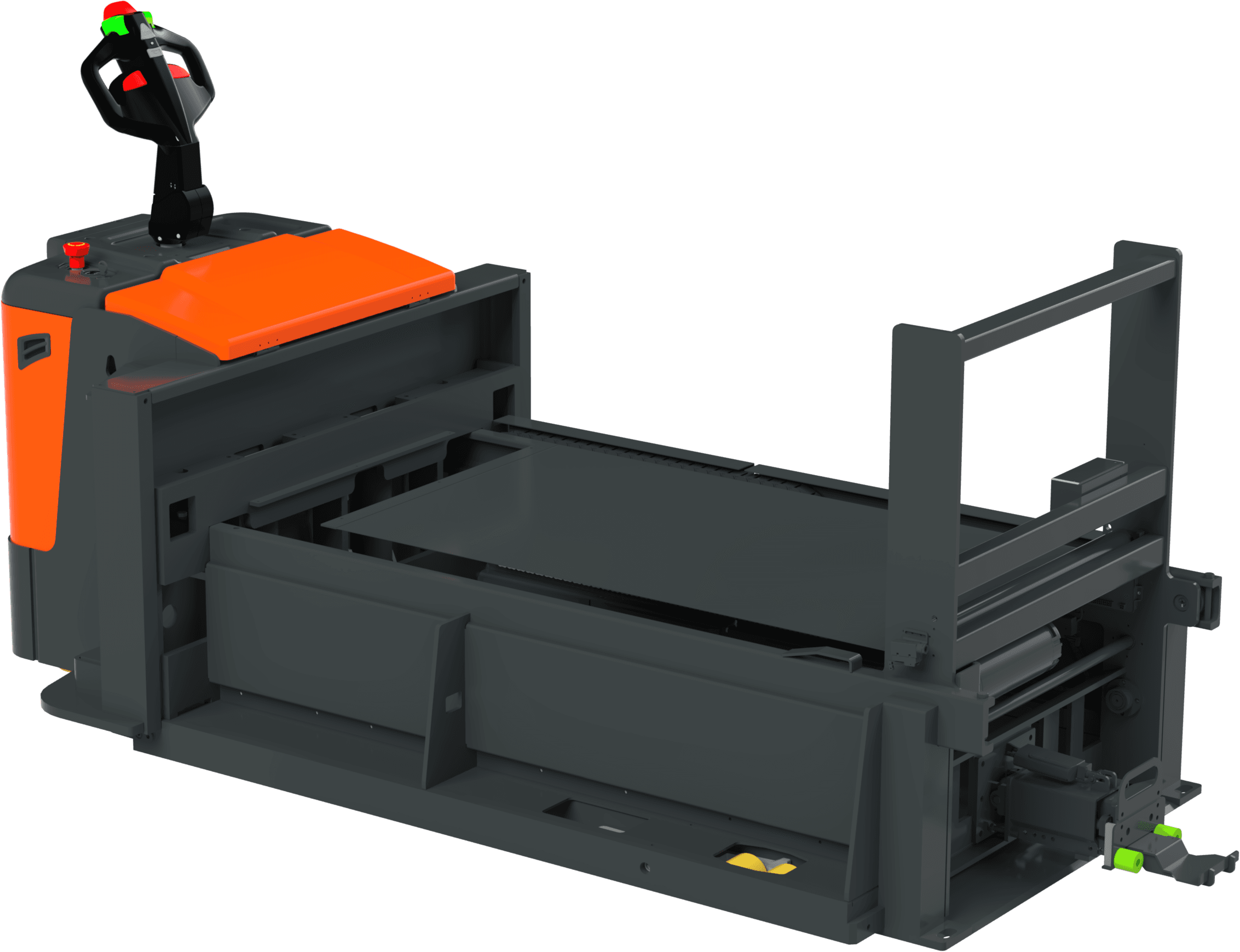
One wrong move in a rack room costs more than the equipment. Ballymore's access solutions are built around the unique constraints of data center environments, including tight aisles, raised floors, and zero tolerance for disruption
Aerospace & Defense
Safe, engineered access and material handling for hangar floors, MRO facilities, and the tight turnaround times aerospace and defense ground operations run on.

Ballymore Rack Mover
Featured Product
Rack Mover
7,500 lb capacity. Moves a loaded server rack with two people instead of six.
Learn More

Challenges & Solutions
The Challenge
Safe Access to Wings, Fuselage, and Tail Sections During MRO
Maintenance, repair, and overhaul work around the airframe demands stable, repeatable access that keeps technicians safe without ever risking contact with the aircraft.
The Solution
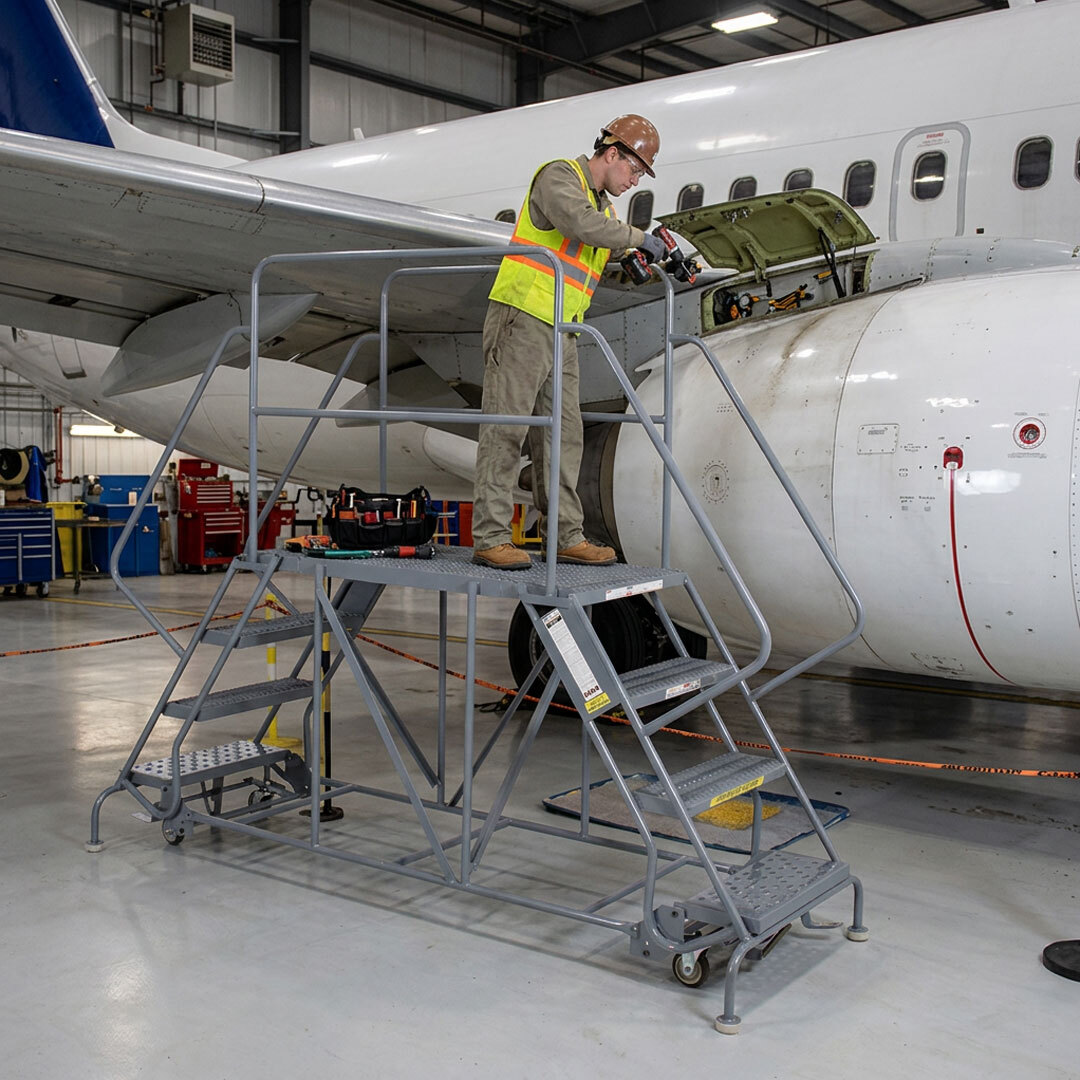
Tri-Arc Rolling Work Platform
Tri-Arc builds rolling work platforms in configurable step heights and platform sizes purpose-built for aviation and aerospace environments. Technicians get stable, repeatable access around wings, fuselage, and tail sections on every job.
View Product
Tri-Arc Rolling Work Platform in aircraft hangar
The Challenge
Safe Step-Up Access Between Ground Level and Truck Beds or Dock Height
Ground crews and hangar receiving teams regularly need to step up from ground level to a truck bed, cargo dock, or aircraft cargo door height. Improvising with tires, pallets, or a milk crate turns a routine step-up into a fall risk.
The Solution
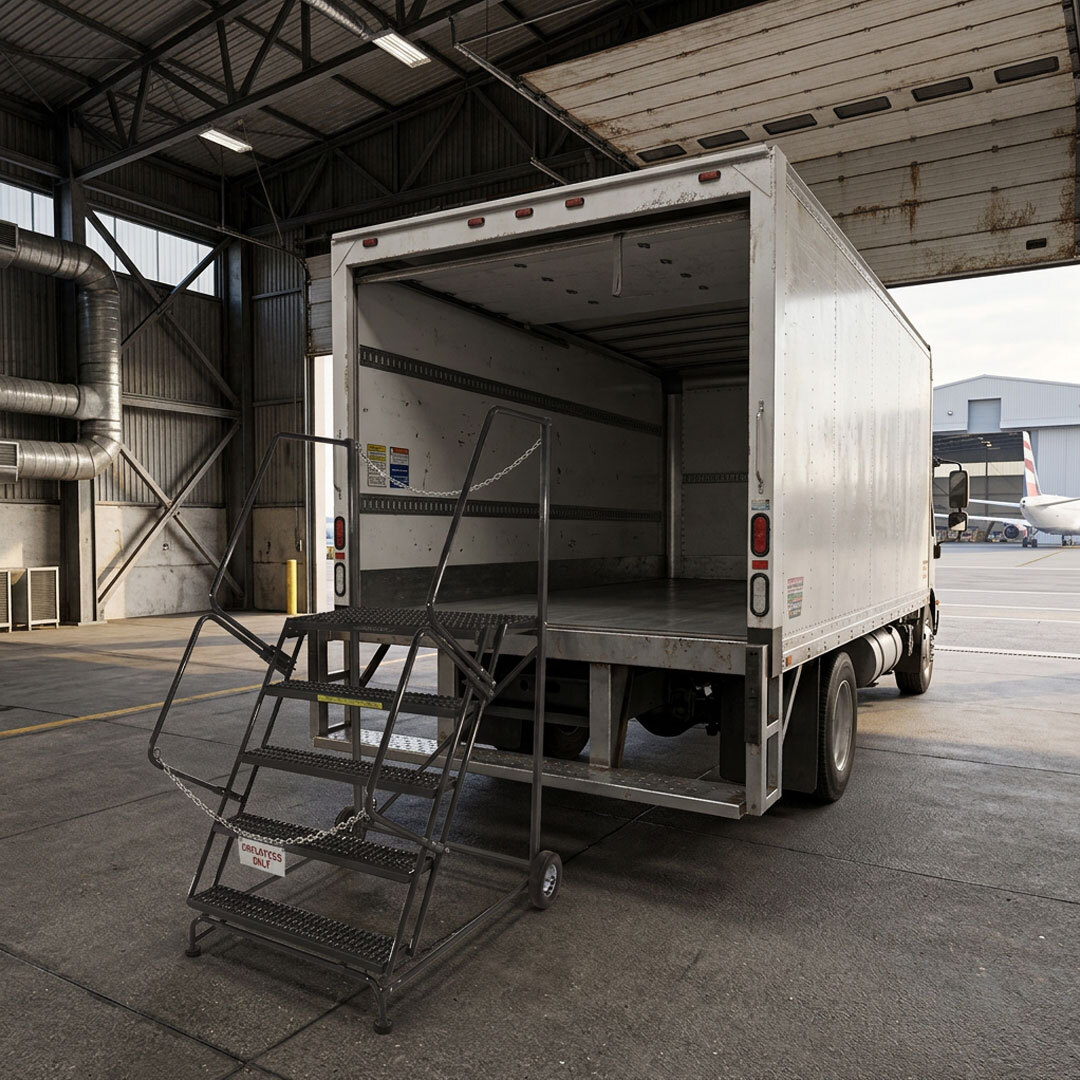
Truck/Dock Access Ladder
A 5-step access ladder built for the exact rise between ground level and a truck bed or dock, with a serrated tread for slip resistance and a 50 or 56 degree slope. Crews get safe, repeatable step-up access instead of climbing onto whatever is nearby.
View Product
Truck/Dock Access Ladder at hangar receiving area
The Challenge
Positioning Heavy Airframe and Engine Components at Working Height
Landing gear assemblies, engine sections, and large airframe components can weigh thousands of pounds, well beyond what a standard lift table or floor jack is rated to handle safely.
The Solution
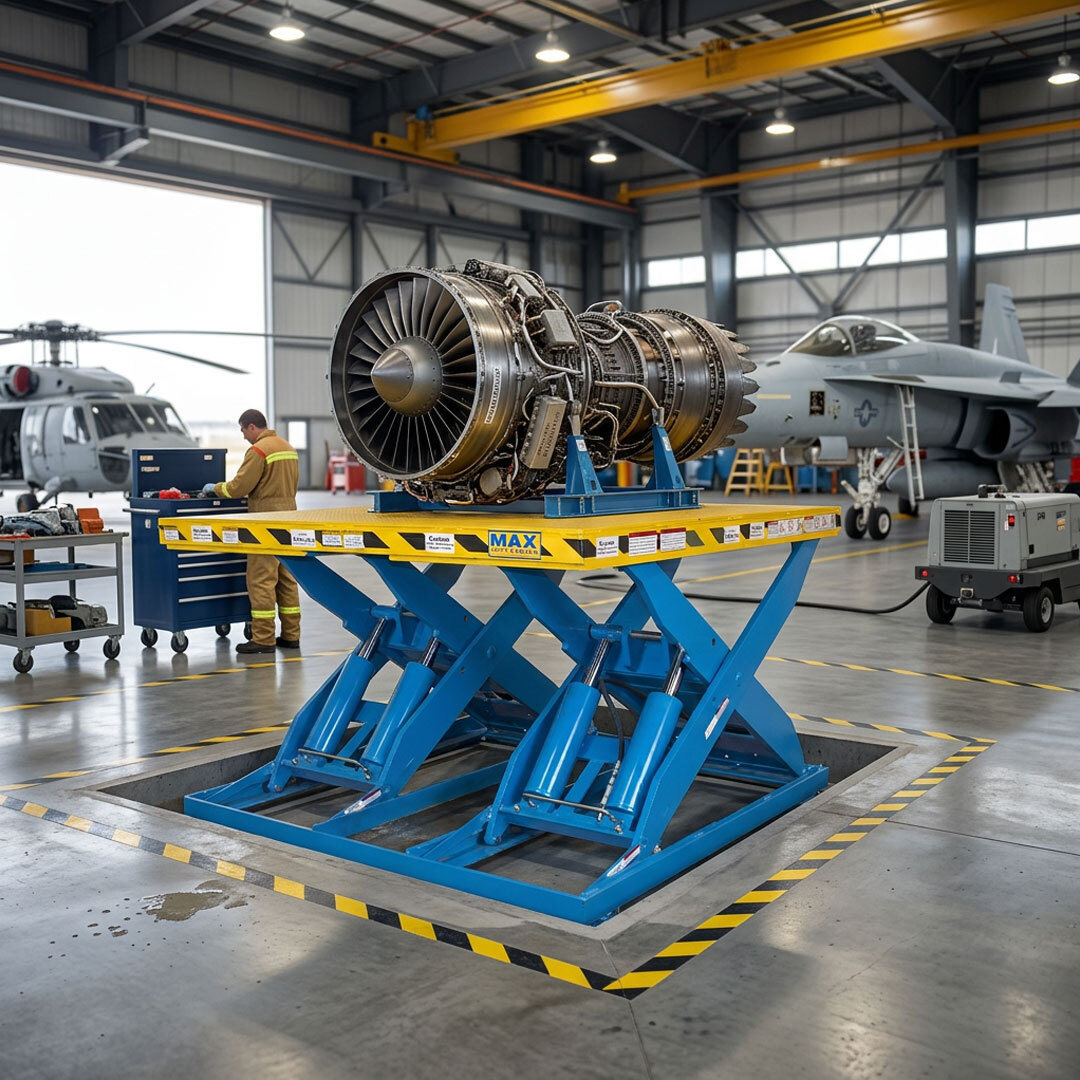
High Capacity Lift Tables
Lift Products Inc builds scissor lift tables rated up to 12,000 lbs with platforms as wide as 96 inches. Technicians get a stable, precise working height for the heaviest components on the hangar floor.
View Product
High Capacity Lift Table positioning heavy component in hangar
The Challenge
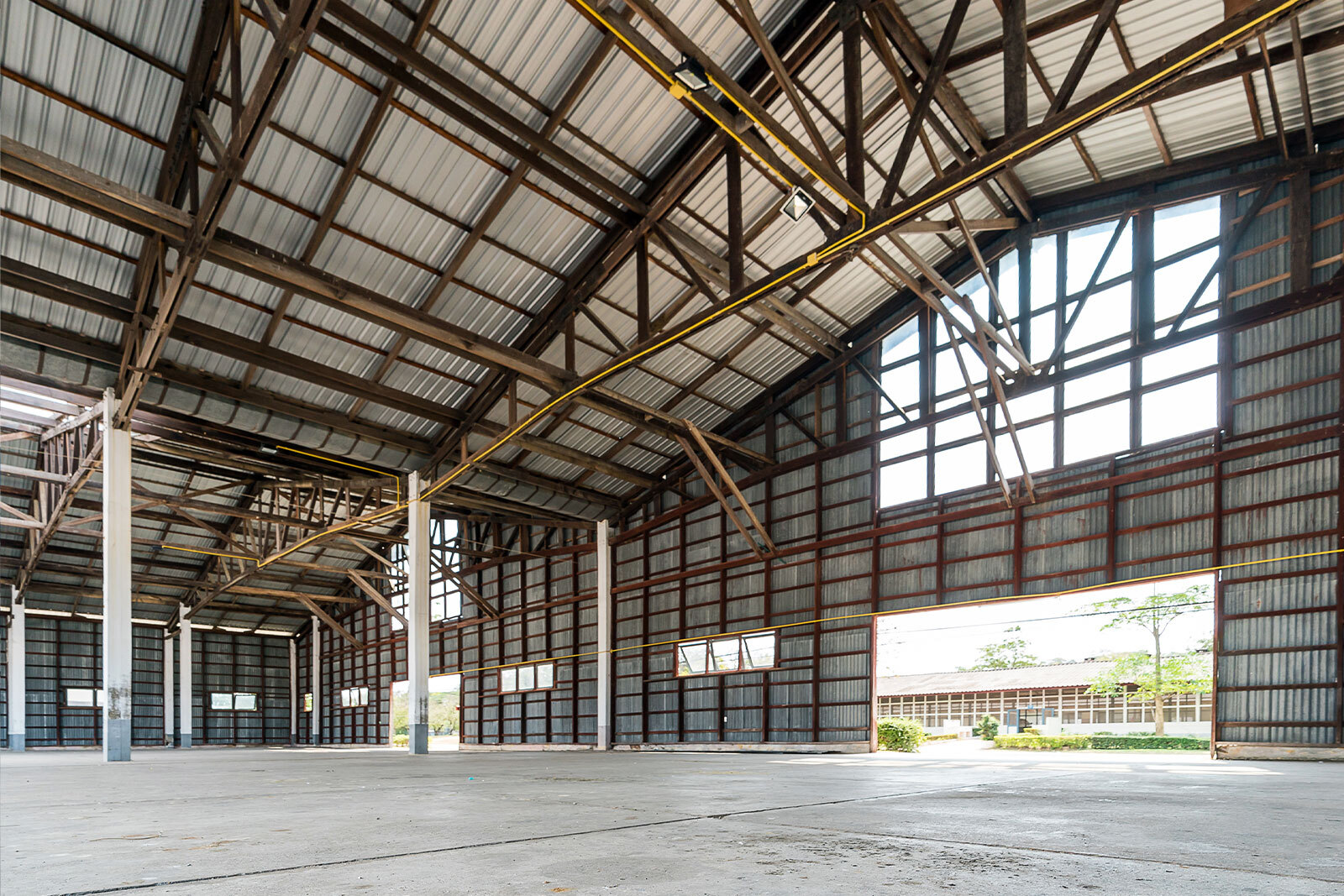
No Fixed Loading Dock at the Hangar or Forward Site
Not every hangar, MRO facility, or defense field site has a loading dock built to receive crates, ground support equipment, and heavy components straight off a truck.
The Solution
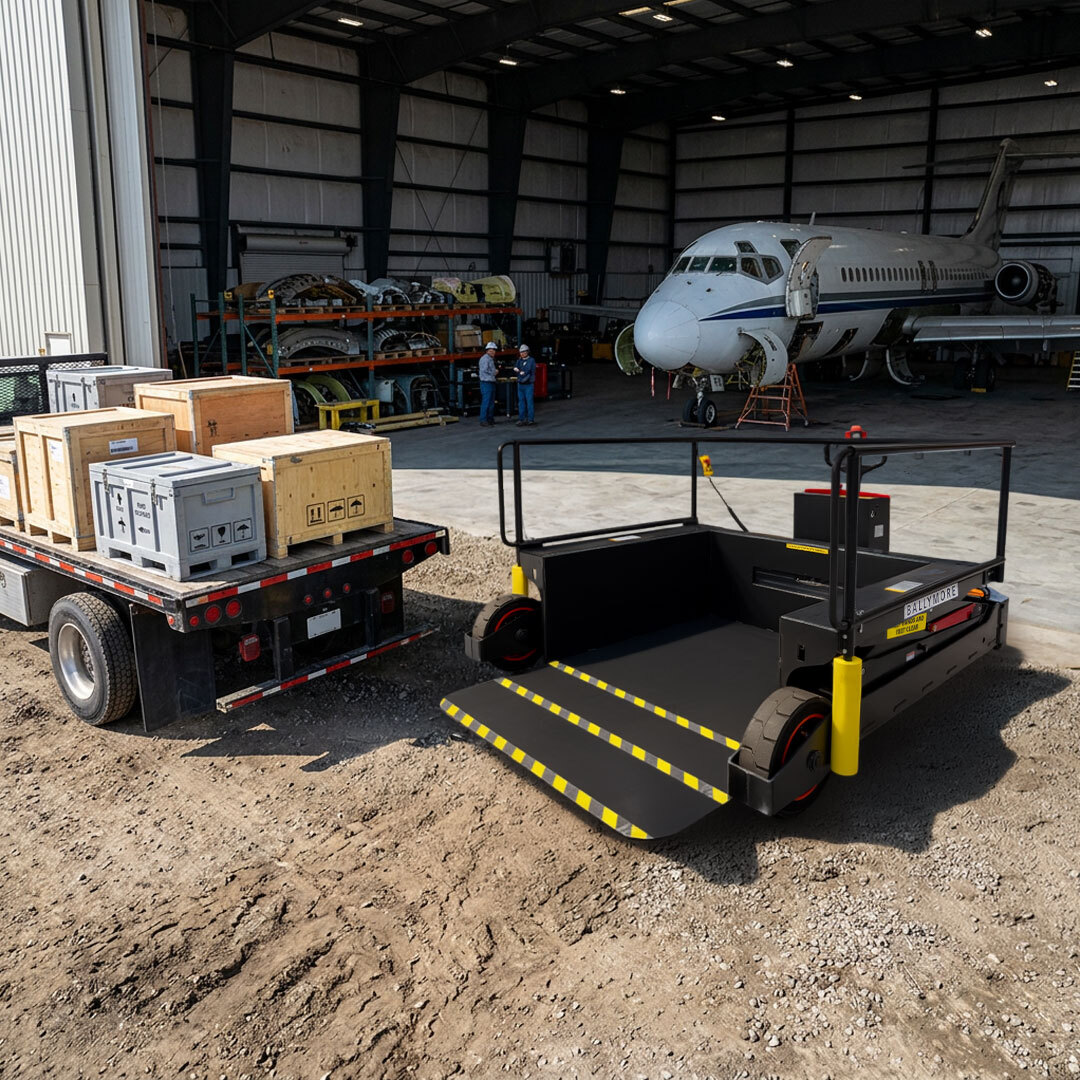
RT-PLD
A rough terrain portable loading dock that acts as the dock a facility doesn't have. Its stable platform and powered lift pick heavy crates and ground support equipment straight off the truck bed, no fixed dock or ramp required.
View Product
RT-PLD portable loading dock at hangar without fixed dock
The Challenge
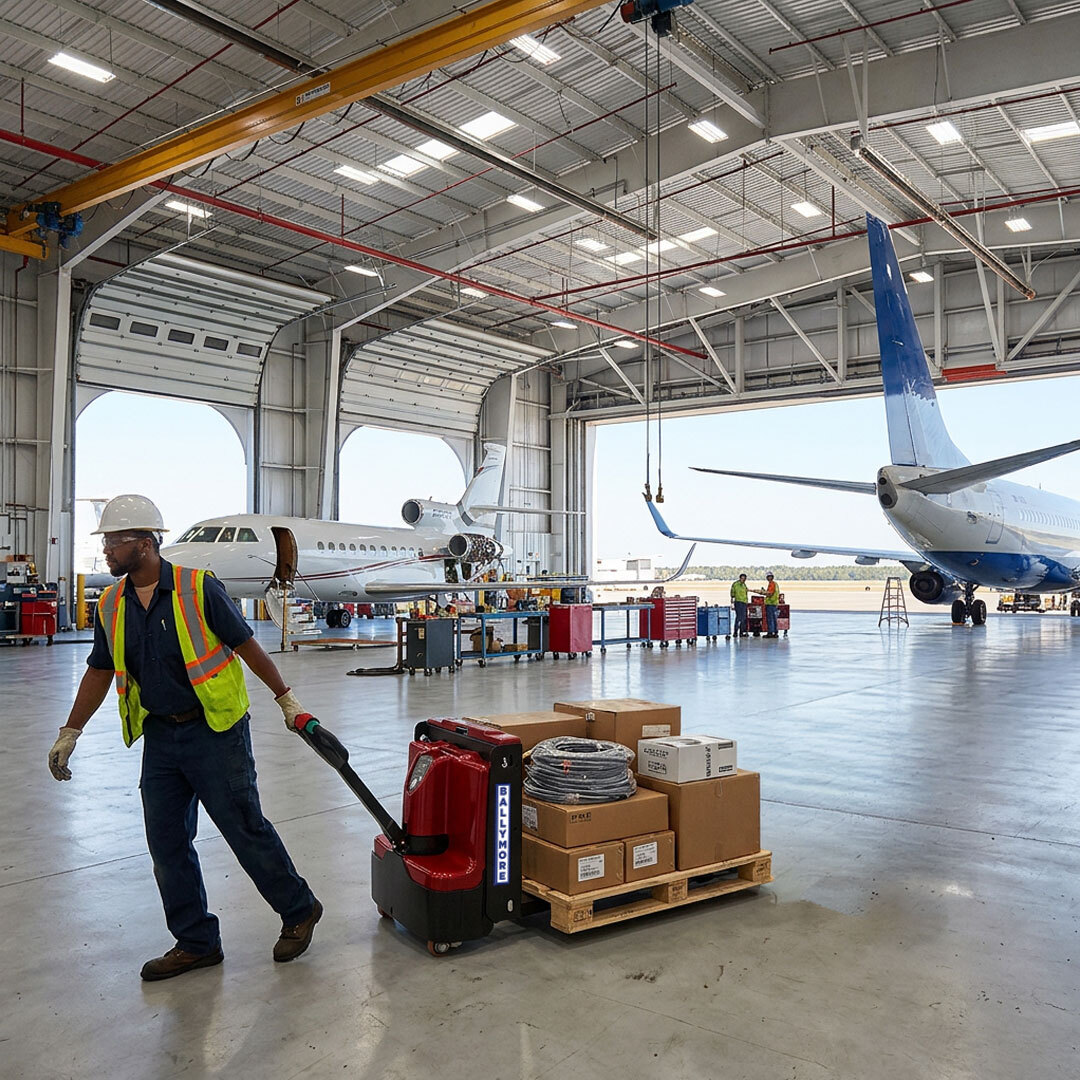
Moving Palletized Parts Through Tight Hangar Aisles Without a Forklift
Parts, tooling, and ground support equipment move through hangar back shops and tight aisles too narrow for a full-size forklift, on a near-constant basis.
The Solution
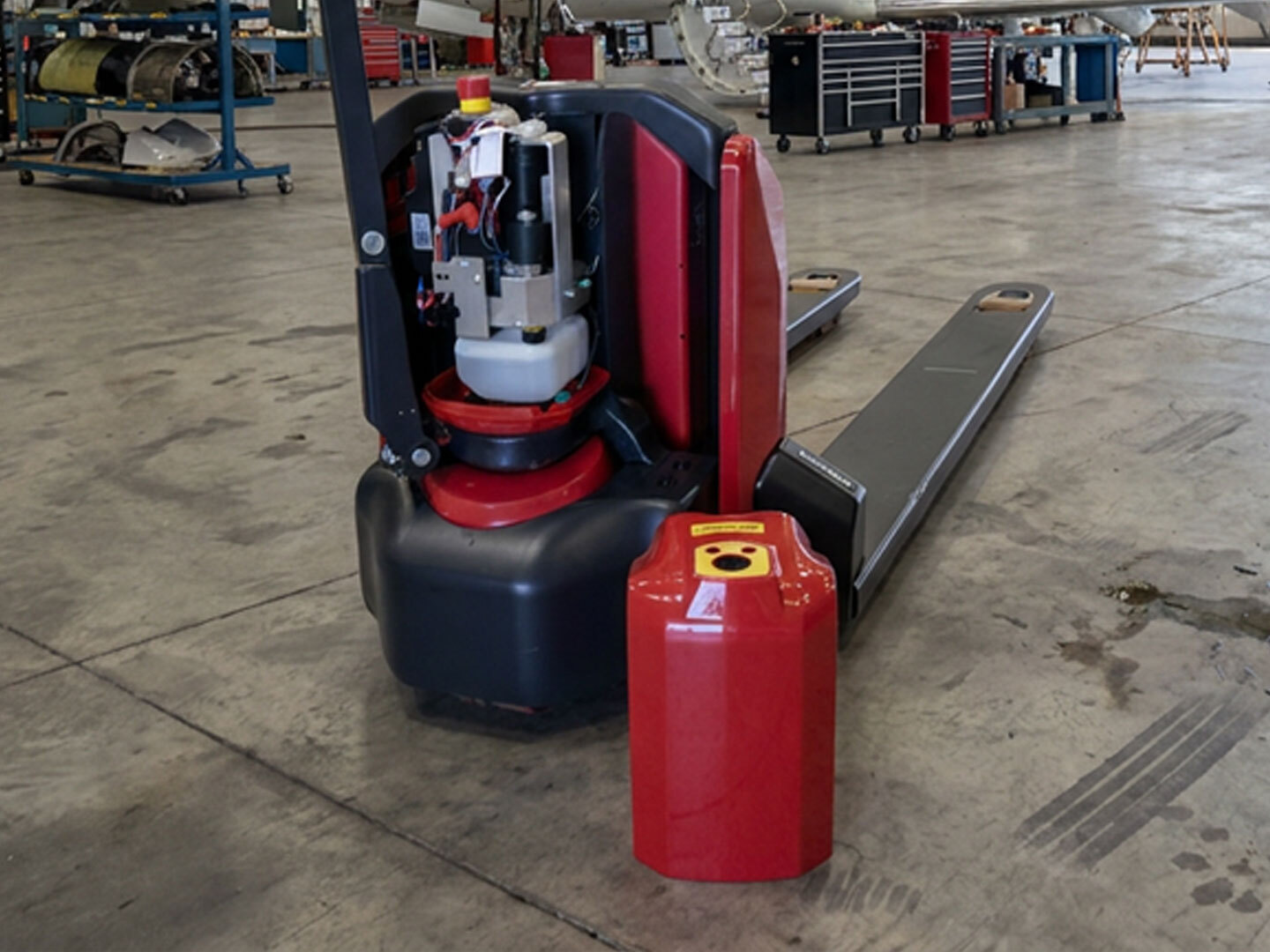
BallyPal-45L-63
A compact powered pallet truck rated to 4,500 lbs, available with 45 inch or 63 inch forks. Lets one technician move palletized parts and equipment through hangar aisles and back shops without waiting on a forklift.
View Product
BallyPal-45L-63 powered pallet truck in hangar aisle
The Challenge
Securing Controlled Tooling and Hardware Without a Physical Key to Track
Calibrated tooling, fasteners, and high-value hardware need controlled, auditable access, not a shared key that can be lost, copied, or left sitting in a lock.
The Solution
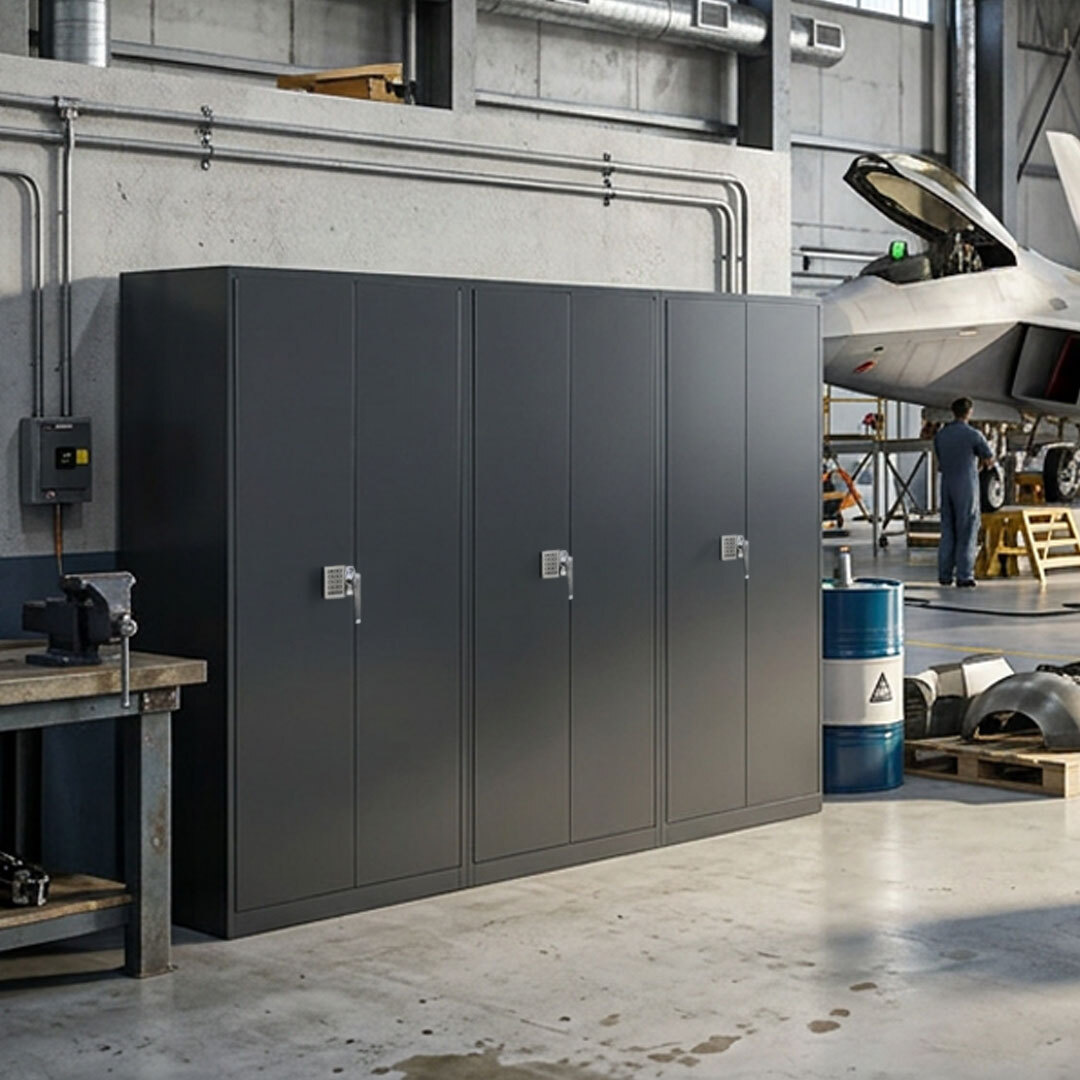
Secure Cabinets
Valley Craft's Electronic Locking Cabinets use Digilock keyless technology with a half-inch steel deadbolt and a 3-point locking system, built from 14 gauge welded steel. Hangars and manufacturing floors get secure, trackable storage without managing physical keys.
View Product
Valley Craft Secure Cabinet in hangar tool room

Common Use Cases
Commercial MRO Facilities
Commercial aircraft MRO (maintenance, repair, and overhaul) facilities are running longer engine shop visits as fleets age and new aircraft deliveries fall behind schedule. Hangars need access and material handling equipment that keeps pace with rising maintenance volume without adding downtime to an already full schedule.
Commercial MRO hangar aircraft maintenance
Military & Defense Sustainment
Military and defense sustainment is the largest segment of the aerospace and defense market, driven by continuous fleet modernization and readiness programs. Depot and squadron maintenance crews need hangar equipment that performs the same way across every bay and every shift.
Military depot maintenance hangar
OEM Final Assembly
Aircraft and defense OEM final assembly lines depend on access equipment engineered around the specific geometry of the airframe on the line, not generic warehouse equipment repurposed for aerospace manufacturing.
OEM aircraft final assembly line
Space & Satellite Integration
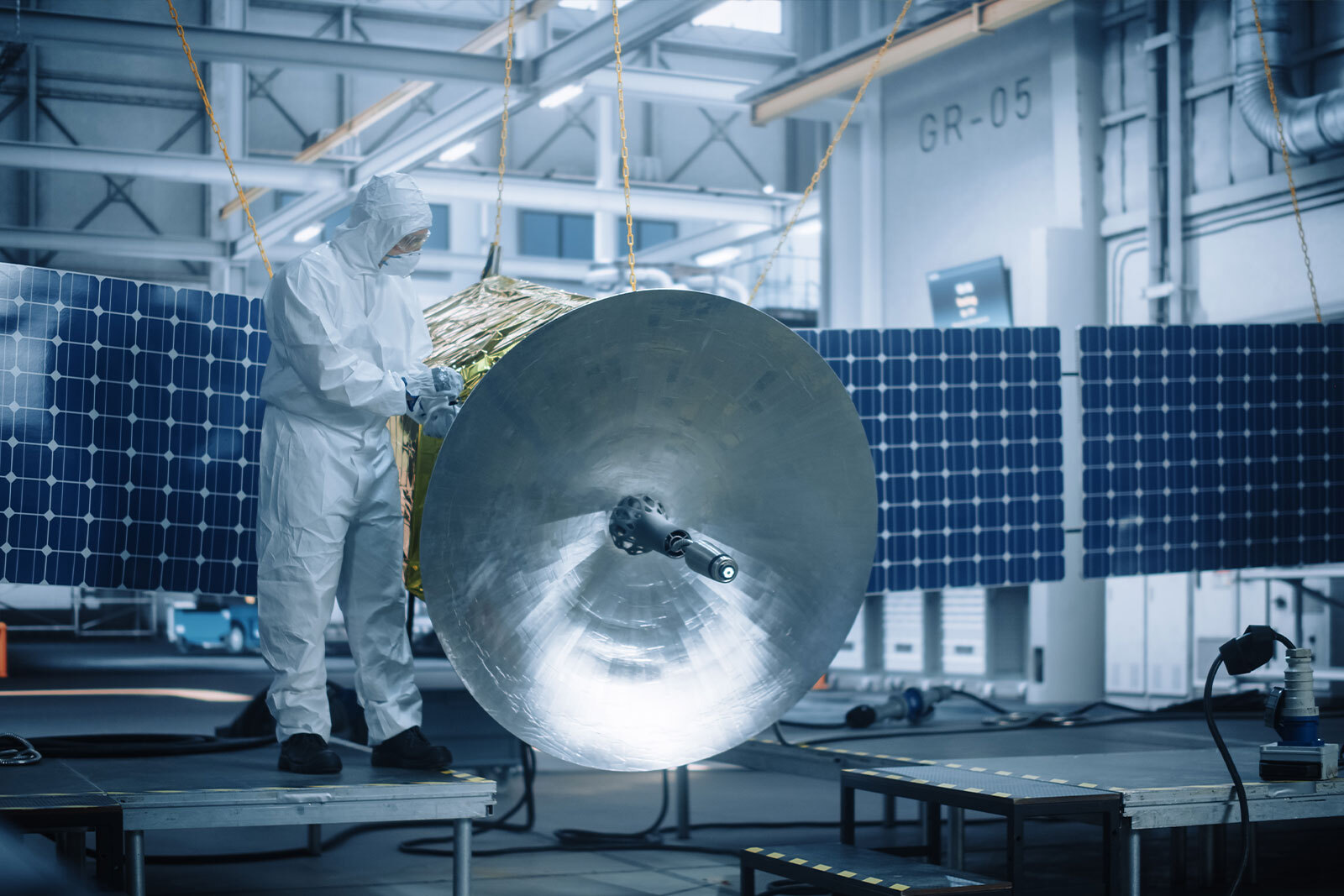
Space exploration and satellite integration is the fastest-growing segment of the aerospace and defense market. Spacecraft and satellite integration facilities rely on the same precise, repeatable access and handling equipment that aircraft assembly lines have used for decades.
Satellite integration and test facility
Ramp & Ground Handling Operations
Ground support equipment (GSE) at airports is shifting toward electric and hybrid platforms as ground handlers respond to sustainability and efficiency goals. Rising cargo and freight volume keeps ramp equipment in near-constant use during aircraft turnaround.
Ramp ground handling operations at airport

Trusted Partners

BAE Systems logo BAE Systems logo
SpaceX logo SpaceX logo
Boeing logo Boeing logo
Northrop Grumman logo Northrop Grumman logo
GE Aerospace logo GE Aerospace logo
Blue Origin logo Blue Origin logo
Built for the Data Center Floor
What facilities operators and EHS teams gain, and the equipment behind it.
Uptime
Protect Live Equipment
A populated rack never gets muscled into place next to live gear, so a routine job does not become an incident. The right access equipment keeps maintenance predictable and downtime off the schedule.
Server & Rack Lift
Speed to Deployment
Compress the Schedule
An existing lift that fits most racks with little to no modification, and ships fast so capacity moves now. Shorter lead times mean fit-out timelines stay on track regardless of facility size.
Existing Lift + Fast Ship
Safety
Personnel and Equipment
AI servers now regularly exceed 300 lbs. Powered lifts, pallet jacks, and stackers take that load off people's hands and keep both personnel and equipment protected during installation and maintenance.
Powered Lifts, Jacks & Stackers
Security
Control Who Operates
Access control built directly into the equipment. BallyQ software, keypad entry, and physical key locks restrict operation to authorized personnel, a critical requirement in high-security data center environments.
BallyQ, Keypad & Key Locks
Productivity
Do More With Fewer Hands
Powered equipment lets one worker move and place loads that used to take a crew, so the same team covers more racks, more floors, and more shifts without adding headcount.
Powered Jacks, Stackers & Tugs
Customization
Built to Your Need
When a standard unit does not fit the application, Ballymore's in-house engineering team designs and manufactures a turnkey solution built specifically for your facility, your aisle width, and your load.
In-House Engineering & Turnkey
Built for the Data Center Floor
What facilities operators and EHS teams gain, and the equipment behind it.
Uptime
Protect Live Equipment
A populated rack never gets muscled into place next to live gear, so a routine job does not become an incident. The right access equipment keeps maintenance predictable and downtime off the schedule.
Server & Rack Lift
Case Study
Live Rack Access Without Incident
A hyperscale operator running 24/7 maintenance needed a way to access populated racks in narrow hot aisles without risking adjacent live equipment. The Hybrid Rolling Ladder's non-marring casters and Lift Assist Lockstep meant technicians could reposition safely between racks without a second person or a shutdown window.
View Data Center Equipment
Speed to Deployment
Compress the Schedule
An existing lift that fits most racks with little to no modification, and ships fast so capacity moves now. Shorter lead times mean fit-out timelines stay on track regardless of facility size.
Existing Lift + Fast Ship
Why It Matters
Ship-Ready Equipment, No Modification Required
Data center fit-outs run on tight schedules. Ballymore's standard rack lifts and rolling ladders are designed to fit most rack row configurations without custom fabrication. Most orders ship within standard lead times so your deployment timeline stays on track.
Request a Quote
Safety
Personnel and Equipment
AI servers now regularly exceed 300 lbs. Powered lifts, pallet jacks, and stackers take that load off people's hands and keep both personnel and equipment protected during installation and maintenance.
Powered Lifts, Jacks & Stackers
OSHA Compliance
OSHA 1910-Compliant Access for Data Center Environments
AI server hardware now regularly exceeds 300 lbs per unit. Manual handling at that weight is both a safety violation and an equipment risk. Ballymore's powered lifts, pallet jacks, and stackers are OSHA 1910-compliant and built specifically for raised floor environments where standard industrial equipment cannot operate safely.
View Lift Safety Resources
Security
Control Who Operates
Access control built directly into the equipment. BallyQ software, keypad entry, and physical key locks restrict operation to authorized personnel, a critical requirement in high-security data center environments.
BallyQ, Keypad & Key Locks
BallyQ Access Control
Know Who Operated the Equipment and When
BallyQ is Ballymore's proprietary access control system. It logs every operation by operator, time, and location. Combined with keypad entry and physical key locks, it gives data center security teams a complete audit trail for every piece of powered equipment on the floor.
Learn About BallyQ
Productivity
Do More With Fewer Hands
Powered equipment lets one worker move and place loads that used to take a crew, so the same team covers more racks, more floors, and more shifts without adding headcount.
Powered Jacks, Stackers & Tugs
Labor Impact
One Operator. One Shift. More Ground Covered.
A single operator with a powered pallet jack or tug can move battery pallets, server hardware, and rack components that previously required two or three people. Across a full fit-out or maintenance cycle, that difference compounds into significant labor cost savings and faster project completion.
View Products
Customization
Built to Your Need
When a standard unit does not fit the application, Ballymore's in-house engineering team designs and manufactures a turnkey solution built specifically for your facility, your aisle width, and your load.
In-House Engineering & Turnkey
Custom Build Example
Custom Server Mover for a Hyperscale Operator
A major data center operator needed a purpose-built server mover that could navigate 24-inch hot aisles, handle loads up to 500 lbs, and meet their internal safety certification requirements. Ballymore's EAS engineering team designed, fabricated, and delivered a turnkey solution in 8 weeks. No off-the-shelf product existed that could do the job.
Talk to an EAS Engineer
Built for Aerospace & Defense
What operators gain, and the equipment behind it.
Safety
OSHA-compliant access for work at height around wings, fuselage, and tail sections.
Rolling work platforms and access ladders keep technicians stable during MRO checks and hangar maintenance, reducing the fall risk that comes with improvised access equipment.
Speed to Deployment
Standard equipment ships fast, so hangars and production lines scale without long lead times.
In-stock access and material handling equipment gets to the floor quickly during peak maintenance or production windows, without waiting on a custom build cycle.
Uptime
The aerospace and defense MRO market is on track for $150 billion in 2026.
Aging fleets are driving longer, more frequent engine shop visits. Reliable, predictable equipment keeps hangar schedules on track as maintenance volume rises.
Productivity
One operator with the right powered equipment replaces a full crew.
A compact powered pallet truck moves palletized parts through hangar aisles without waiting on a forklift, and a rolling work platform gets a technician safely to height without a second set of hands.
Security
Access control built into the equipment: electronic locks, keypad entry, and audit trails.
Valley Craft's Electronic Locking Cabinets use Digilock keyless technology with a steel deadbolt, giving hangars and defense manufacturing floors controlled, trackable access to tooling and hardware without managing physical keys.
Customization
When a standard unit doesn't fit the airframe, the hangar bay, or the load, we build one that does.
Ballymore's EAS division has delivered custom-engineered access platforms and fall protection systems for aerospace assembly and defense manufacturing programs, sized to the aircraft and facility rather than a generic catalog spec.
See EAS Custom Solutions

Common Use Cases

Hyperscale Campus Operations

Managing rack access and equipment movement across millions of square feet requires standardized, durable access solutions that perform consistently across every hall and building.

Colocation Rack Maintenance

Colo technicians working across multi-tenant environments need fast-repositioning access equipment that keeps pace with high-frequency hot-swap, cabling, and rack maintenance demands.

Enterprise Server Room Access

In-house IT and facilities teams need OSHA-compliant access equipment that works safely on raised access floors without specialized training or disrupting day-to-day operations.

UPS & Battery Infrastructure

Scheduled UPS battery replacements require moving heavy loads through tight mechanical corridors safely. Proper material handling equipment eliminates the manual handling injuries during maintenance cycles.


Services & Software

Preventive maintenance, compliance inspections, and emergency repair for your full Ballymore equipment fleet — covered by a single nationwide service provider.

For data center operators managing equipment across multiple facilities, DOC Services eliminates the complexity of coordinating local vendors in every market. One service agreement, one point of contact, consistent documentation across every site.

Scheduled PM Programs

Preventive maintenance on defined intervals for ladders, lifts, and platforms.

Compliance Documents

Inspection records and service reports suitable for OSHA audits and internal reviews.

Nationwide Coverage

Technician network covering all major US data center markets.

Single Point of Contact

One service agreement for multi-site operators across regions.


Asset Tracking

Full inventory and inspection scheduling for every piece of access equipment across your facilities.

Compliance Reporting

Automated audit-ready reports for OSHA requirements and internal safety program reviews.

Multi-Site Dashboard

Consolidated fleet visibility for enterprise and hyperscale operators across all locations.

CMMS Integration

Connects with existing facilities management and CMMS platforms.

Real-time visibility into equipment status, inspection records, compliance documentation, and safety program performance across all sites and assets.

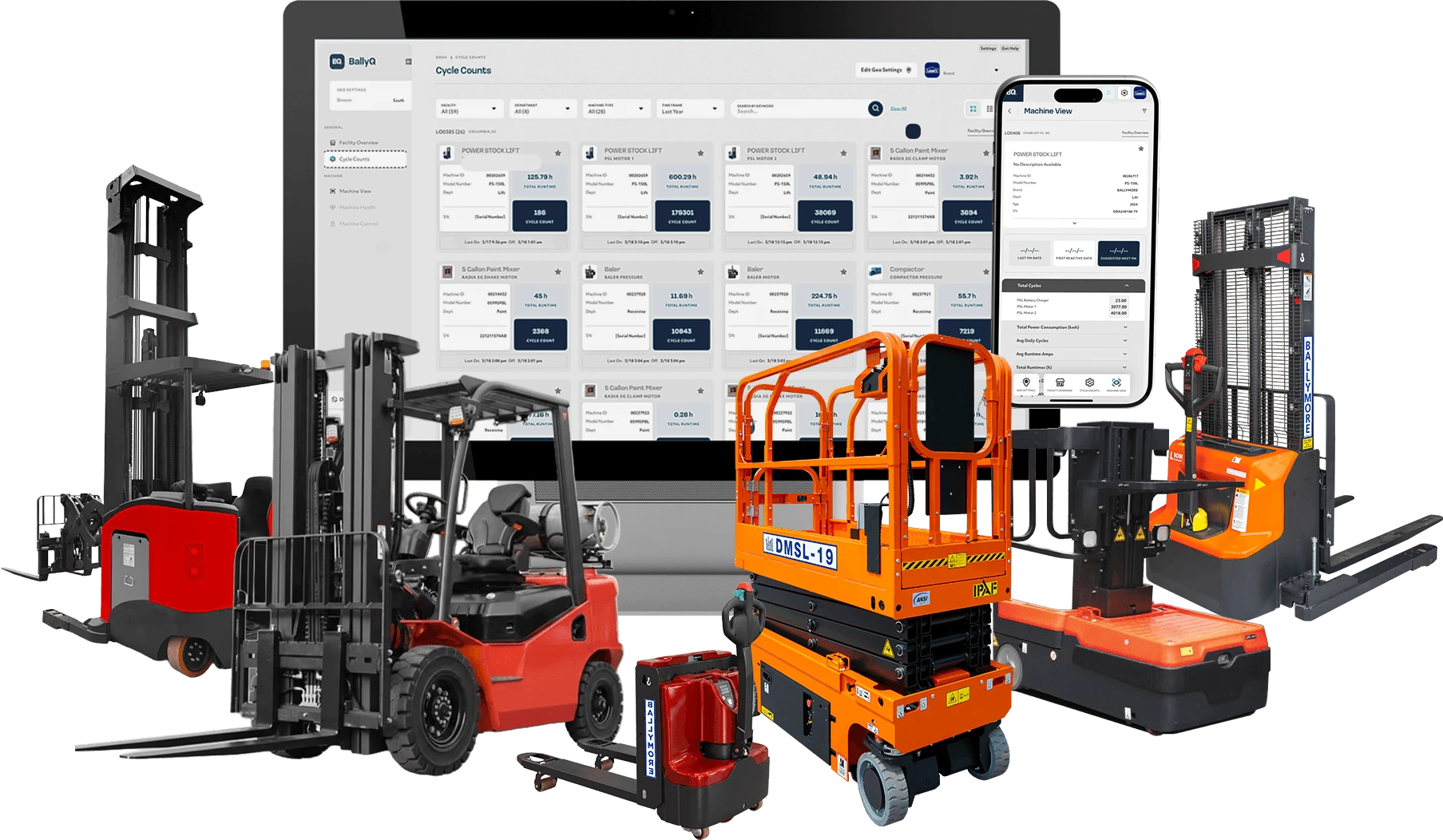
BallyQ gives data center facilities teams and EHS managers a single dashboard to track their access equipment fleet, stay ahead of inspection schedules, and generate audit-ready compliance reports without manual recordkeeping.

Services & Software
Single-source preventive maintenance and compliance service for your full Ballymore ground support and access equipment fleet, with complete asset tracking and OSHA and ESD compliance documentation built into every program.
DOC Services handles scheduled PM for your Ballymore access and material handling equipment across the hangar and flight line, so your maintenance crews stay focused on aircraft turnaround. Regularly scheduled maintenance visits, full make-model-serial asset tracking, and a modular service structure that scales across multiple facilities, all under one agreement and one point of contact.
More Service Solutions
Single Source Ownership
One contact, one agreement, across every hangar and facility you operate. Eliminates the gaps that come from managing multiple vendors across sites and service categories.
Full Asset Management
Make, model, serial number, and repair history tracked for every asset to support compliance documentation and capital planning across your GSE fleet.
OSHA and ESD Compliance
Compliance documentation built into every PM visit. Keeps your equipment program audit-ready and ESD requirements maintained over time.
Scales With Your Facility
Modular service structure expands as your equipment fleet and hangar footprint grow, without renegotiating agreements.
Battery Longevity Program
We maintain, repair, and replace batteries, so your ground support equipment never sits idle on the line.
DOC Services documents every process for real-time visibility into:
Response Time
Total Completion Time
First Trip Completion
Average Invoice Cost
Equipment data on repair type, parts usage, age, and condition gives you clear insight into total cost of ownership, plus ongoing inventory and preventative maintenance support across your fleet.
Battery Longevity Program
BALLYQ
BallyQ Secure safeguards your highest-value aerospace and defense assets, including avionics components, tooling, spare parts, and controlled equipment, from theft and unauthorized access.
Built and supported by security specialists and facility security veterans, BallyQ embeds into cabinet and device controllers so sensitive hardware cannot simply be removed from secure areas. IoT, GPS, and authentication technology track and secure every asset, and the backend ties into your existing asset management systems, supporting the access control and accountability requirements common across defense and aerospace facilities.
Learn About BallyQ
Comprehensive Asset Protection
BallyQ Secure safeguards your highest-value aerospace and defense assets, including avionics components, tooling, spare parts, and controlled equipment, from theft and loss.
Seamless Integration
Embeds into cabinet and device controllers, so sensitive hardware cannot simply be removed from secure areas. The backend ties into your existing asset management systems.
Cutting-Edge Technology
IoT, GPS, and authentication technology track and secure every asset. Unlike a passive GPS tag, BallyQ lets you disable hardware remotely.
Proactive Theft Prevention
Flags unauthorized movement, tampering, or removal in real time, down to individual components and spares. Works on any equipment across the facility.
Dedicated Team of Experts
Built and supported by security specialists and facility security veterans.
Brand Agnostic Program
Built to work on any powered equipment and accessible from any device, giving security teams one access control system across the entire hangar or facility floor.
BallyQ Brand Agnostic Program

Services & Software

Preventive maintenance, compliance inspections, and emergency repair for your full Ballymore equipment fleet — covered by a single nationwide service provider.
For data center operators managing equipment across multiple facilities, DOC Services eliminates the complexity of coordinating local vendors in every market. One service agreement, one point of contact, consistent documentation across every site.
Learn About DOC Services
Scheduled PM Programs
Preventive maintenance on defined intervals for ladders, lifts, and platforms.
Compliance Documentation
Inspection records and service reports suitable for OSHA audits and internal reviews.
Nationwide Coverage
Technician network covering all major US data center markets.
Single Point of Contact
One service agreement for multi-site operators across regions.
BALLYQ
Real-time visibility into equipment status, inspection records, compliance documentation, and safety program performance across all sites and assets.
BallyQ gives data center facilities teams and EHS managers a single dashboard to track their access equipment fleet, stay ahead of inspection schedules, and generate audit-ready compliance reports without manual recordkeeping.
Learn About BallyQ
Asset Tracking
Full inventory and inspection scheduling for every piece of access equipment across your facilities.
Compliance Reporting
Automated audit-ready reports for OSHA requirements and internal safety program reviews.
Multi-Site Dashboard
Consolidated fleet visibility for enterprise and hyperscale operators across all locations.
CMMS Integration
Connects with existing facilities management and CMMS platforms.
Engineered Access Solutions
Built Around Your Facility
Standard products do not always fit. Data center rack rows, raised floor configurations, UPS corridors, and cable tray systems all vary by facility. Ballymore's Engineered Access Solutions team works directly with your facilities team to design and fabricate custom platforms, rolling systems, and fixed access structures built to your exact specifications.
Talk to an EAS Engineer
Frequently Asked Questions
Common questions about ground support equipment, hangar access, and safety and security compliance for aerospace and defense maintenance, assembly, and MRO operations.
What OSHA standards apply to ladders and elevated access in aircraft hangars and MRO facilities?
Ground support and hangar maintenance work is treated by OSHA as general industry work, governed by 29 CFR 1910 rather than OSHA's construction standards, even though the environment involves large equipment and elevated access. Portable and rolling ladders fall under OSHA 1910.23, which requires slip-resistant, uniformly spaced steps, a load capacity of at least four times the maximum intended load, three points of contact while climbing or descending, and inspection before each day of use by a competent person, with defective ladders removed from service immediately. Walking-working surfaces, including elevated work platforms positioned around wings, fuselages, and tail sections, fall under OSHA 1910.28, which requires fall protection at four feet or more above a lower level. That is a lower threshold than the six-foot rule under OSHA's construction standards, which matters because many hangar tasks that feel routine still trigger a fall protection requirement. For work that exceeds what a rolling ladder or platform can safely reach, facilities commonly layer in ANSI/ASSP Z359 fall arrest and anchorage standards, and some MRO operations align with FAA Flight Standards fall protection program guidance on top of OSHA's baseline. Ballymore rolling safety ladders and work platforms are built to meet OSHA 1910.23 requirements for general industry use across hangar and flight line environments.
How much do aircraft engines and major components weigh, and what does that mean for lifting equipment?
Aircraft engines vary enormously by platform, but even smaller turbine and turboprop engines commonly weigh in the range of 1,000 to several thousand pounds, and large commercial and military engines can exceed 25,000 pounds. Landing gear assemblies, gearboxes, avionics racks, and structural components add their own weight and handling challenges on top of that. None of this is something a maintenance crew can safely lift or reposition by hand. Engine slings and hoists distribute weight evenly across multiple attachment points during removal and installation, while high capacity lift tables give technicians a stable, adjustable-height platform to service engines, gearboxes, and other heavy components at a safe working height instead of leaning over a stand or crouching on the hangar floor. Back and shoulder injuries remain among the leading causes of lost workdays across general industry, and manual handling of heavy MRO components is a well-documented contributor in aviation maintenance environments specifically. OSHA's material handling guidance recommends mechanical lifting aids for any load over 50 pounds, which in an MRO context means essentially every engine, gearbox, or major structural component that crosses the hangar floor.
What is FOD, and how does ground support equipment design help prevent it?
FOD stands for foreign object debris, or foreign object damage depending on context, and it refers to any loose material, from a dropped fastener to a torn safety wire, that can be ingested by an engine, jam a control surface, or damage an aircraft's skin. FAA Advisory Circular 150/5380-5B and industry standards including SAE AS9146 and AIA NAS412 define FOD prevention program requirements specifically for aerospace, space, and defense organizations, covering both the products themselves and the ground support equipment used to service them. Prevention starts at the design level: eliminating gaps and crevices where debris can become trapped, using blind or self-retaining fasteners in critical areas, sealing pathways where foreign objects could migrate, and keeping service points and access panels in locations that are easy to inspect and clean. On the ground support equipment side, this means favoring designs with minimal exposed hardware, enclosed caster wells, and surfaces that are easy to sweep clean between tasks. FOD control is also a discipline as much as a design feature. Clean-as-you-go practices, dedicated FOD containers, and daily walk-down inspections of the ramp and hangar floor all reduce the risk that equipment picks up and redistributes debris across a facility.
Does OSHA require certification to operate powered ground support equipment like electric pallet trucks and tugs?
Yes, and this applies in hangars and MRO facilities exactly as it does in warehouses and manufacturing plants. Electric powered pallet trucks and similar motorized hand-truck style equipment are classified by OSHA as Class III Powered Industrial Trucks and fall under the full training and certification requirements of 29 CFR 1910.178(l). Operators must complete formal instruction covering safe operation and equipment-specific hazards, complete hands-on practical training, pass a documented performance evaluation, and be re-evaluated at least once every three years. A new evaluation is also required if an operator is observed operating unsafely, is involved in an incident or near miss, or is assigned to a different class of equipment. Facility and MRO program managers are responsible for ensuring that both direct employees and contractors operating this equipment during component moves, crate handling, and hangar floor logistics are certified and that training records stay current. Given the weight and value of the components typically being moved, a minimum two-person team is a good practice for any heavy component transport, even when the certified operator is working alone with the powered equipment itself.
What is ESD compliance, and why does it matter for equipment used around avionics and electronics?
Electrostatic discharge, or ESD, is the sudden transfer of static charge between two objects at different electrical potentials. In aerospace and defense manufacturing and MRO, that discharge can silently damage or destroy avionics components, circuit boards, and other sensitive electronics, often at voltage levels far below what a person can feel. ANSI/ESD S20.20 is the multi-industry standard for building and maintaining an ESD control program, originally developed at the request of the U.S. Department of Defense and now widely referenced across aerospace, defense, and electronics manufacturing. It calls for defined ESD protected areas, grounded and dissipative work surfaces, personnel grounding, and proper handling and packaging of ESD-sensitive items. Access and material handling equipment used inside ESD protected areas, including ladders, platforms, and carts, needs to be built with conductive or static-dissipative materials rather than standard untreated steel or aluminum, since ordinary industrial equipment can introduce the exact static risk an ESD program is designed to eliminate. DOC Services includes ESD compliance checks as part of preventive maintenance programs for equipment fleets operating in and around ESD protected areas, helping confirm that ladders and platforms stay in compliant condition as components wear over time. Facilities should confirm directly with their equipment supplier that any product intended for use in an ESD protected area meets the facility's specific ESD requirements.
How should defense contractors manage equipment compliance and accountability across multiple facilities?
Defense contractors handling Controlled Unclassified Information, or CUI, operate under the Cybersecurity Maturity Model Certification, or CMMC, framework, which is built on the 110 security controls in NIST SP 800-171. While CMMC is primarily a cybersecurity framework, NIST 800-171's physical protection control family also requires organizations to limit and monitor physical access to systems, equipment, and media associated with CUI, which extends the compliance conversation beyond IT systems and into the facility floor itself. For contractors operating multiple hangars, MRO sites, or manufacturing facilities, that means equipment inspection records, maintenance documentation, and access accountability need to be consistent across every location, since a documentation gap at any single site carries the same exposure as a gap at a flagship facility. BallyQ is Ballymore Safety Group's asset and access management platform, giving facilities and security teams centralized visibility into equipment across all locations, with inspection scheduling and audit-ready service records. DOC Services complements that with scheduled preventive maintenance programs and standardized documentation across facilities under a single agreement. Neither product is a substitute for a contractor's own CMMC assessment, but both support the underlying physical accountability and documentation practices that broader compliance programs depend on.
What access equipment works best for overhead maintenance around wings, fuselages, and tail sections without damaging the aircraft?
Working around an aircraft's exterior adds constraints that a standard warehouse ladder or platform isn't built for. Painted skins, composite panels, and antennas can all be damaged by hard contact, so access equipment needs non-marring casters and padded or protected contact points wherever it approaches the aircraft. Hangar bay clearances and the aircraft's own wing and tail geometry also limit how much floor space is available for repositioning equipment during a task. A rolling work platform with a full guardrail, adjustable top step height, and a stable, non-marring caster base gives technicians a secure elevated position for tasks along the fuselage or wing without needing to lean, reach, or improvise access. The Tri-Arc Rolling Work Platform is built for this kind of hangar floor use, with a footprint and mobility designed for repositioning around aircraft between tasks. For access between the ground and a cargo hold or fuselage door, a dedicated truck and dock access ladder provides a safer alternative to using aircraft steps or improvised staging not designed for repeated maintenance access. Any equipment used in close proximity to an aircraft should be inspected for damaged casters or protruding hardware before use, since a single scratch or dent on an aircraft surface can trigger a costly inspection and repair.
How does BallyQ help secure controlled parts, tooling, and equipment in defense manufacturing and MRO facilities?
Aerospace and defense facilities routinely handle high-value, sensitive, or export-controlled parts, tooling, and equipment, where knowing who accessed what and when is as important as physical security itself. BallyQ is Ballymore Safety Group's access control system that logs every operation of a powered piece of equipment by operator, time, and location, and it also supports secure storage applications through keypad and key-controlled locking. For a facility managing tooling cribs, avionics component storage, or restricted parts inventory, Secure Cabinets with BallyQ integration give security and quality teams a timestamped record of exactly who opened a cabinet and when, the same level of accountability that badge access systems provide for restricted rooms. BallyQ integrates with existing keypad entry and physical key systems, so security managers can control which personnel are authorized to access sensitive tooling or components without redesigning existing site security infrastructure. For facilities where contractor and visitor access is tightly controlled, that timestamped, per-operator log is a useful supporting record for internal audits and incident investigations, on top of whatever broader security and compliance program the facility already has in place.
What is the safest way to move heavy components, crates, and spare parts across a hangar or MRO facility floor?
Moving engines, avionics racks, crated parts, and other MRO cargo across a hangar floor combines significant weight, expensive and often fragile equipment, and tight clearances around aircraft and tooling, which makes manual pushing and pulling both unsafe and impractical. For moving crates and parts from a delivery truck onto the hangar floor, a dedicated transport platform that bridges dock height transitions without ramps removes one of the more awkward and injury-prone steps in the process. The Ballymore RT-PLD Server Mover handles loads up to 6,000 lbs on a single stable platform with lift to clear curbs and dock transitions, making it well suited to moving crated components and spare parts between a truck bed and the shop floor. For repositioning parts and tooling around the hangar itself, the BallyPal-45L-63 walk-behind pallet truck handles loads up to 4,500 lbs, with the operator walking behind and pulling via the tiller handle rather than pushing or riding, which keeps forks and load out in front where they're easiest to see and control in tight aisles. A minimum two-person team is recommended for any load over 50 lbs, with casters and forks inspected before each move and floor conditions along the travel path checked in advance, particularly around any FOD control zones.
How often should hangar and MRO ground support equipment be inspected and maintained?
OSHA 1910.23 requires that every ladder be inspected before each day of use by a competent person, someone capable of identifying existing and predictable hazards and authorized to take corrective action, with any structurally defective ladder immediately removed from service and tagged out. Powered equipment including pallet trucks and lift tables falls under OSHA 1910.178, which requires examination before each shift and after any event that may have caused damage, with unsafe equipment taken out of service until it's restored to safe operating condition. Beyond that daily pre-use check, hangar and MRO equipment fleets should sit on a documented preventive maintenance schedule, since ground support equipment in a high-cycle hangar environment tends to see more wear than the same equipment would in a lower-traffic facility. Quarterly or semi-annual PM visits are a reasonable baseline for most fleets, adjusted up or down based on actual usage. DOC Services provides scheduled PM programs covering Ballymore ground support and access equipment across facilities under a single service agreement, with documentation suitable for internal audits and customer or program-level compliance reviews. Equipment without a defined, documented maintenance schedule carries both a safety risk and a compliance gap that becomes especially costly if it surfaces during an incident investigation or audit.

Frequently Asked Questions

What OSHA standards apply to ladders and access equipment in data centers?

OSHA 29 CFR 1910.23 governs portable ladders in general industry, including rolling safety ladders used in data center rack rooms. ANSI A14.7 is the specific standard for rolling safety ladders. OSHA 1910.29 covers fall protection systems on elevated platforms. For data centers under active construction or fit-out, the construction standards under 29 CFR 1926 apply instead.

What fall protection is required when working at heights in a data center?

Under OSHA 29 CFR 1910.28, fall protection is required at heights of 4 feet or more in general industry. For elevated work platforms, guardrail systems with self-closing gates are the preferred engineering control as they protect workers passively without requiring PPE. Ballymore work platforms include full perimeter guardrails and self-closing safety gates as standard.

Will standard ladder casters damage raised floor tiles in a data center?

Yes. Hard polyurethane or steel casters can scratch and crack raised access floor tiles, which are costly to replace and disruptive to airflow management. Ballymore Hybrid Rolling Ladders use non-marring rubber casters designed specifically for raised floor environments. The weight-actuated lockstep also prevents the ladder from drifting under load.

Can Ballymore build custom platforms for non-standard rack configurations?

Yes. Ballymore's Engineered Access Solutions team designs and fabricates custom platforms, narrow-aisle rolling systems, and fixed access structures for facilities where standard products don't fit. Common projects include custom-width platforms for non-standard aisle widths and UPS room platforms built to exact dimensions. Lead times are typically 4 to 8 weeks from drawing approval.

What is DOC Services and what does it cover for data center operators?

DOC Services is Ballymore's nationwide field service program covering preventive maintenance, compliance inspections, and repair for the full Ballymore product family. For operators managing equipment across multiple facilities, DOC eliminates the need to coordinate local vendors in each market. Service agreements include scheduled on-site inspections, documented service reports, and OSHA compliance verification through a single point of contact.

What is BallyQ and how does it help data center safety teams?

BallyQ is Ballymore's safety intelligence software that gives facilities and EHS teams full visibility into their access equipment fleet. It tracks asset inventory, inspection schedules, service history, and compliance status across all sites. For hyperscale and multi-site operators, BallyQ provides a consolidated dashboard and generates audit-ready OSHA compliance reports automatically, replacing manual spreadsheet recordkeeping.

What weight capacity do I need for a data center rolling ladder?

Standard rolling ladders are rated at 350 lbs. However, data center technicians often climb while carrying tools and components, so capacity matters. Ballymore's Hybrid series is rated at 450 lbs and is the most commonly specified model for rack-room environments. The Work Titan heavy-duty series is rated at 800 lbs for facilities requiring additional capacity.