










Data Center Material Handling Guide: Equipment That Works
Data Center Material Handling
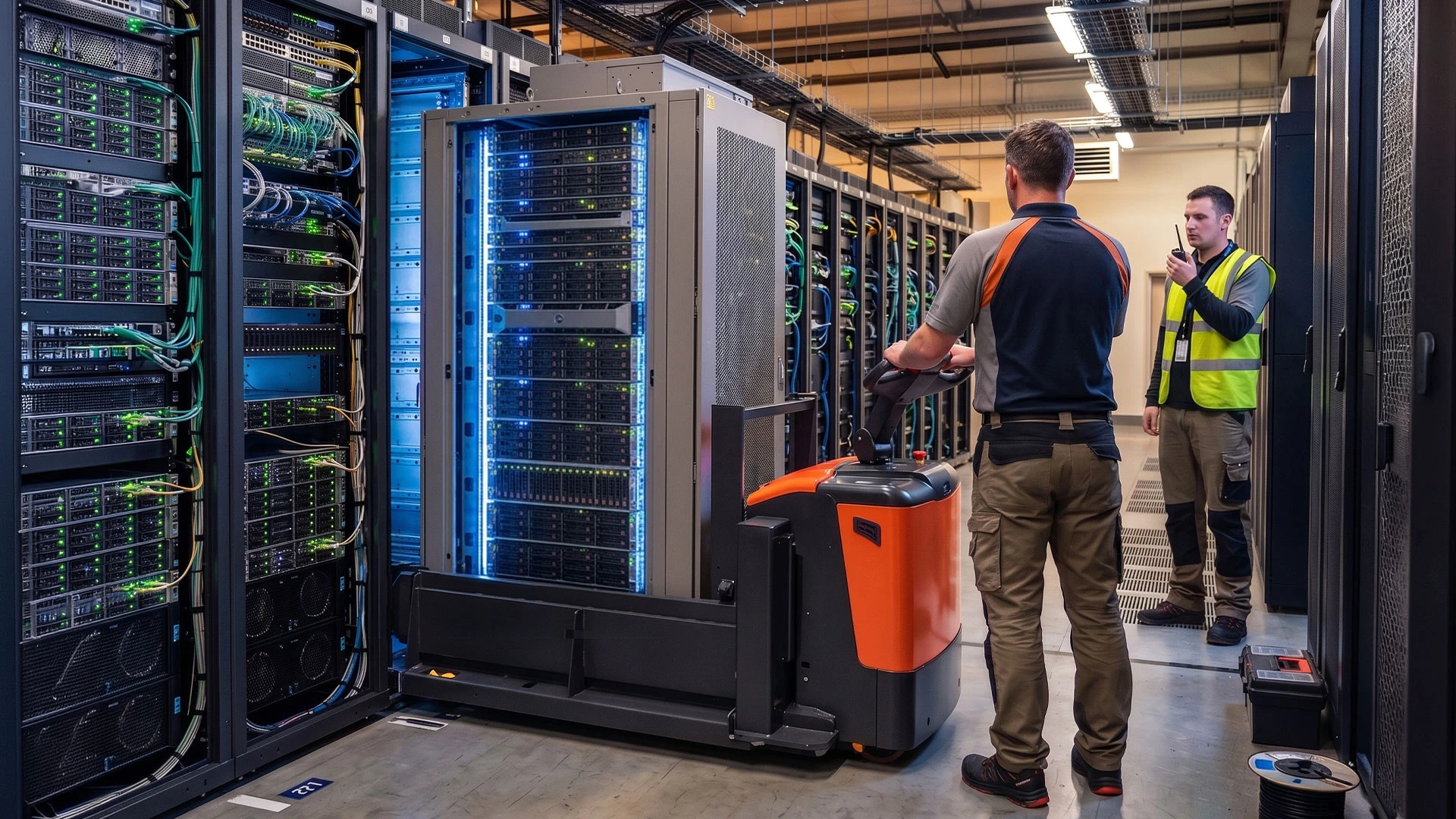
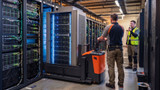
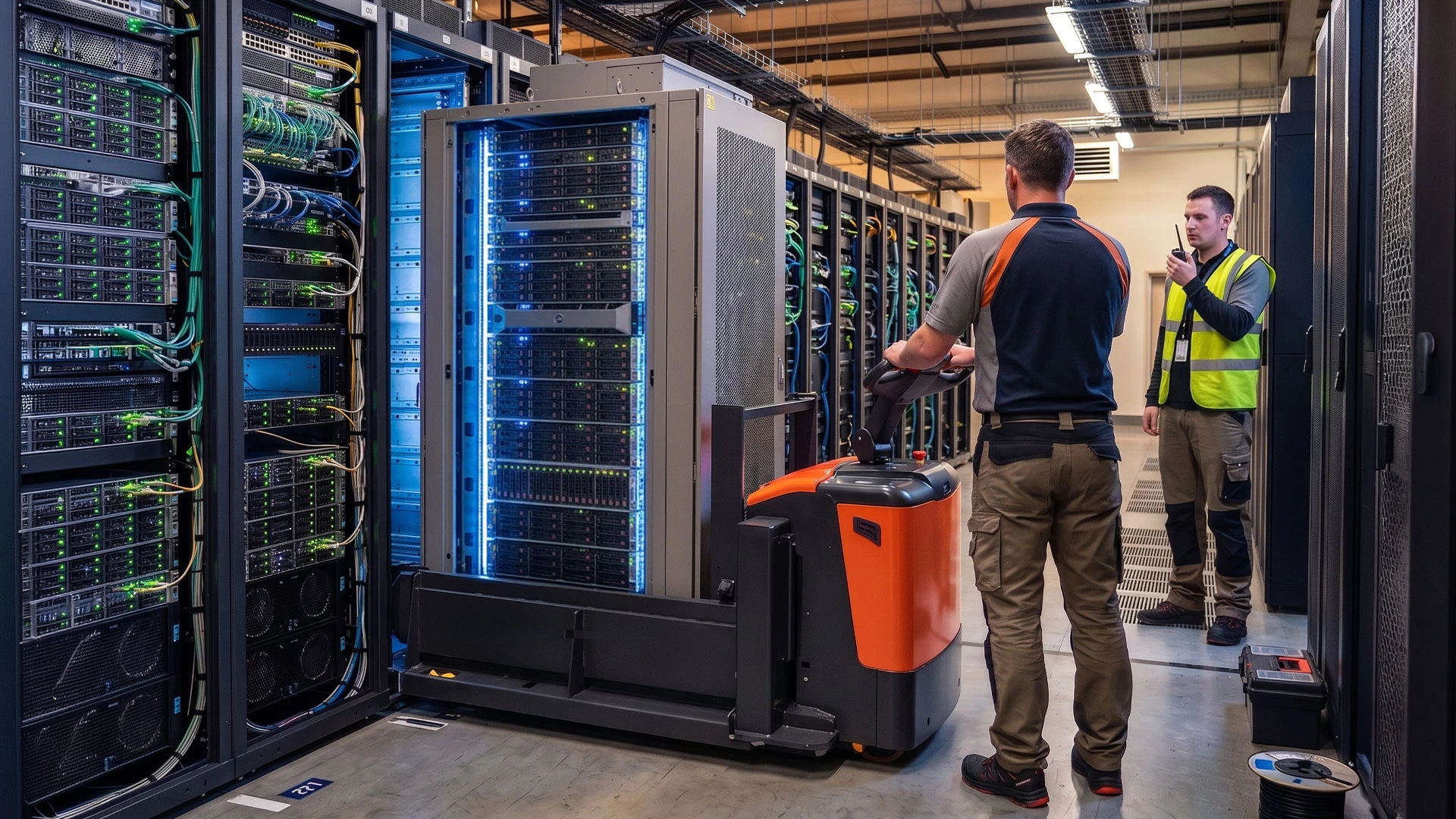
Data centers are the backbone of our digital world. They house the servers and equipment that power the internet. Efficient material handling in these centers is crucial for smooth operations.
Proper handling prevents damage and reduces downtime. It ensures that equipment is moved safely and efficiently. This is vital for maintaining service reliability.
Material handling solutions include tools like server lifts and rack movers. These tools help manage heavy and delicate equipment. They are essential for data center operations.
In this guide, we explore the best practices and tools for data center material handling. Learn how to optimize your operations and enhance safety.
The Importance of Data Center Material Handling
Effective material handling in data centers is a critical component. It ensures the efficiency and safety of operations. Data centers must move and install heavy and sensitive equipment regularly.
Mishandling can lead to costly damages and downtime. Proper solutions mitigate these risks, maintaining equipment integrity and continuous operations. This is crucial for both normal functionality and emergency scenarios.
Additionally, material handling influences overall data center performance. It contributes to better organization and quicker response times. Streamlined processes reduce delays and enhance service delivery.
Key benefits of efficient data center material handling include:
-
Minimized equipment damage and reduced costs
-
Improved safety and reduced injury risks
-
Enhanced operational efficiency and uptime
Incorporating these elements into data center operations supports long-term sustainability and success. By prioritizing these aspects, data centers can improve reliability and service quality significantly.
Key Challenges in Material Handling for Data Centers
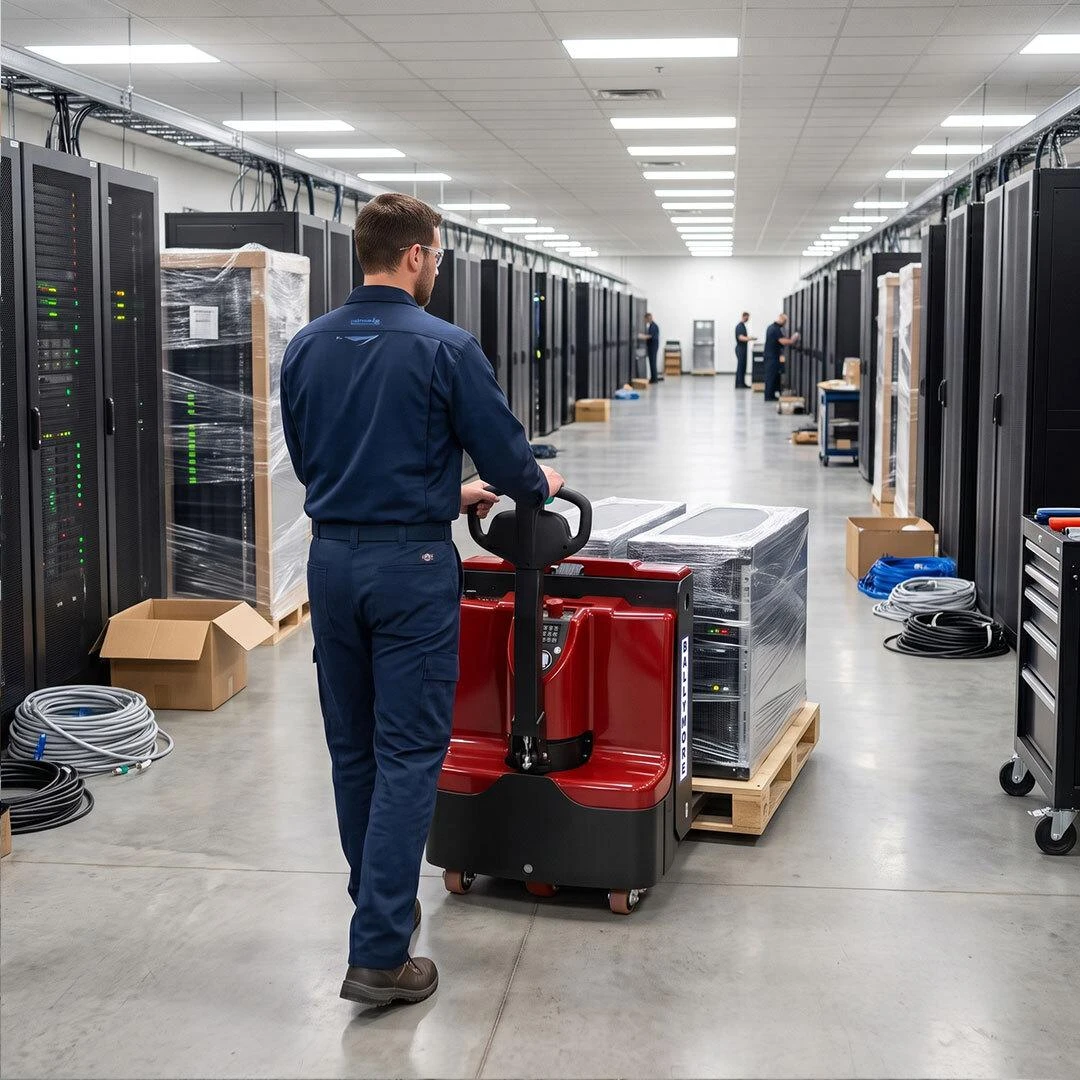
Data centers face numerous material handling challenges. Each challenge can impact their operational efficiency. The complexity of data centers necessitates specialized strategies.
One major challenge is transporting heavy and delicate equipment. This requires precise planning and handling techniques. Wrong moves can result in damage and expensive repairs.
Another issue lies in limited space. Data centers are packed environments with narrow aisles. Maneuvering bulky items in such tight areas is difficult and risky.
Additionally, maintaining inventory accuracy is challenging. Mismanaged inventory can lead to delays and lost equipment. Proper tracking systems are necessary for effective inventory management.
Key challenges in data center material handling include:
-
Transporting heavy and delicate equipment
-
Navigating tight spaces and narrow aisles
-
Maintaining accurate inventory records
Addressing these challenges is crucial for maintaining the integrity and efficiency of data center operations. Adopting strategic approaches can mitigate risks and enhance productivity.
Essential Material Handling Solutions and Tools
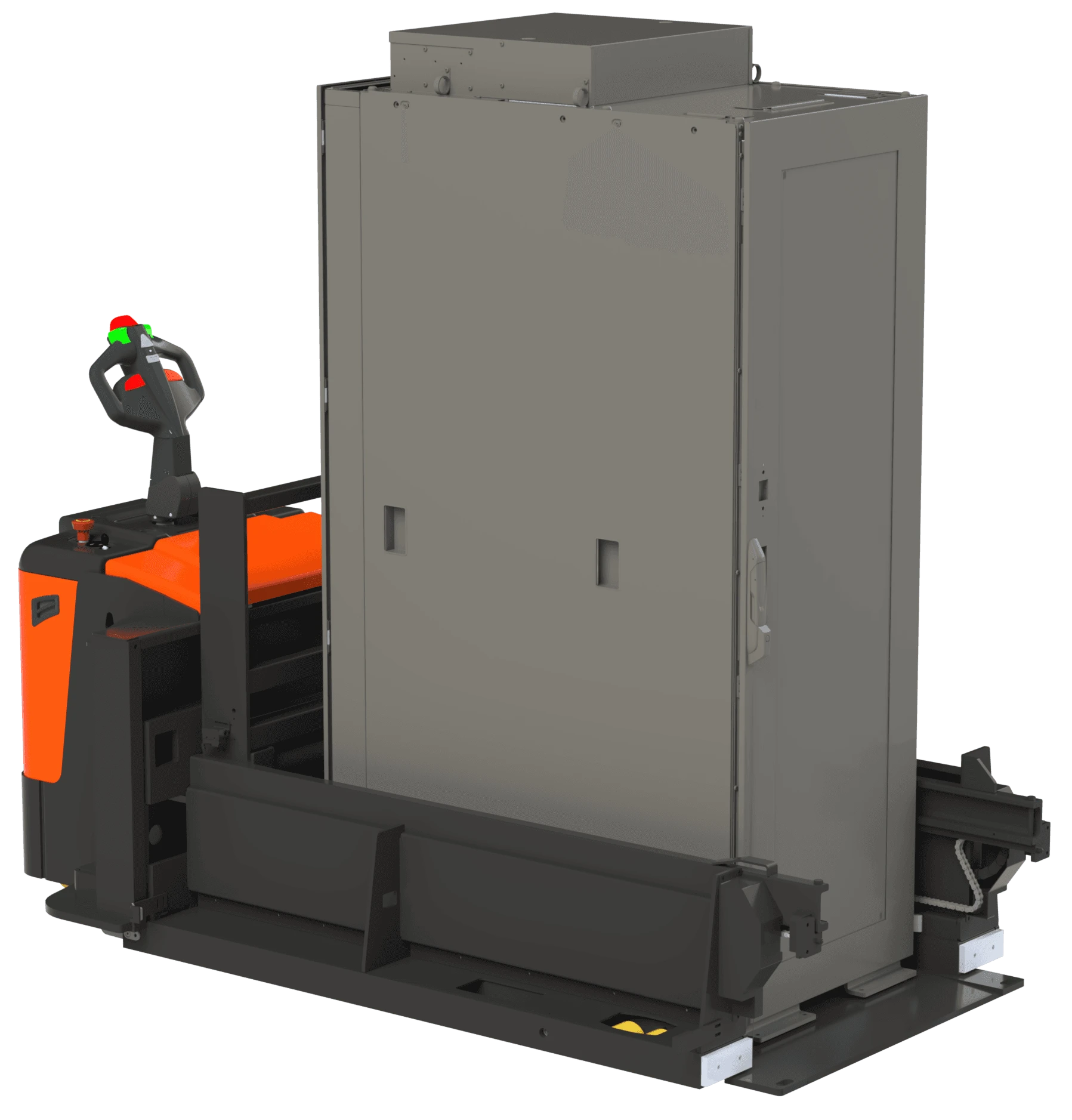
Data centers require effective material handling solutions to remain efficient. These solutions prevent equipment damage and reduce downtime. They are crucial for maintaining a smooth operation.
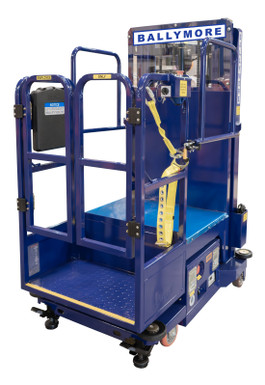
Among vital tools, ergonomic lifting devices stand out. These devices include server lifts and rack movers, which simplify the transport of heavy servers. Such tools ensure safety and efficiency.
Inventory management systems play a significant role as well. They help track equipment and components meticulously. This ensures everything is accounted for and easily accessible.
Utilizing the right solutions can enhance data center productivity. Furthermore, customized solutions can meet specific needs. Tailored tools match the unique challenges of each data center.
Key material handling solutions include:
-
Ergonomic lifting devices like server lifts
-
Dedicated inventory management systems
Advantages of these solutions:
-
Improved operational safety
-
Minimized equipment damage
-
Enhanced resource tracking
By integrating the right tools, data centers can streamline operations. This results in reduced costs and improved service delivery.
Server Lifts and Rack Movers
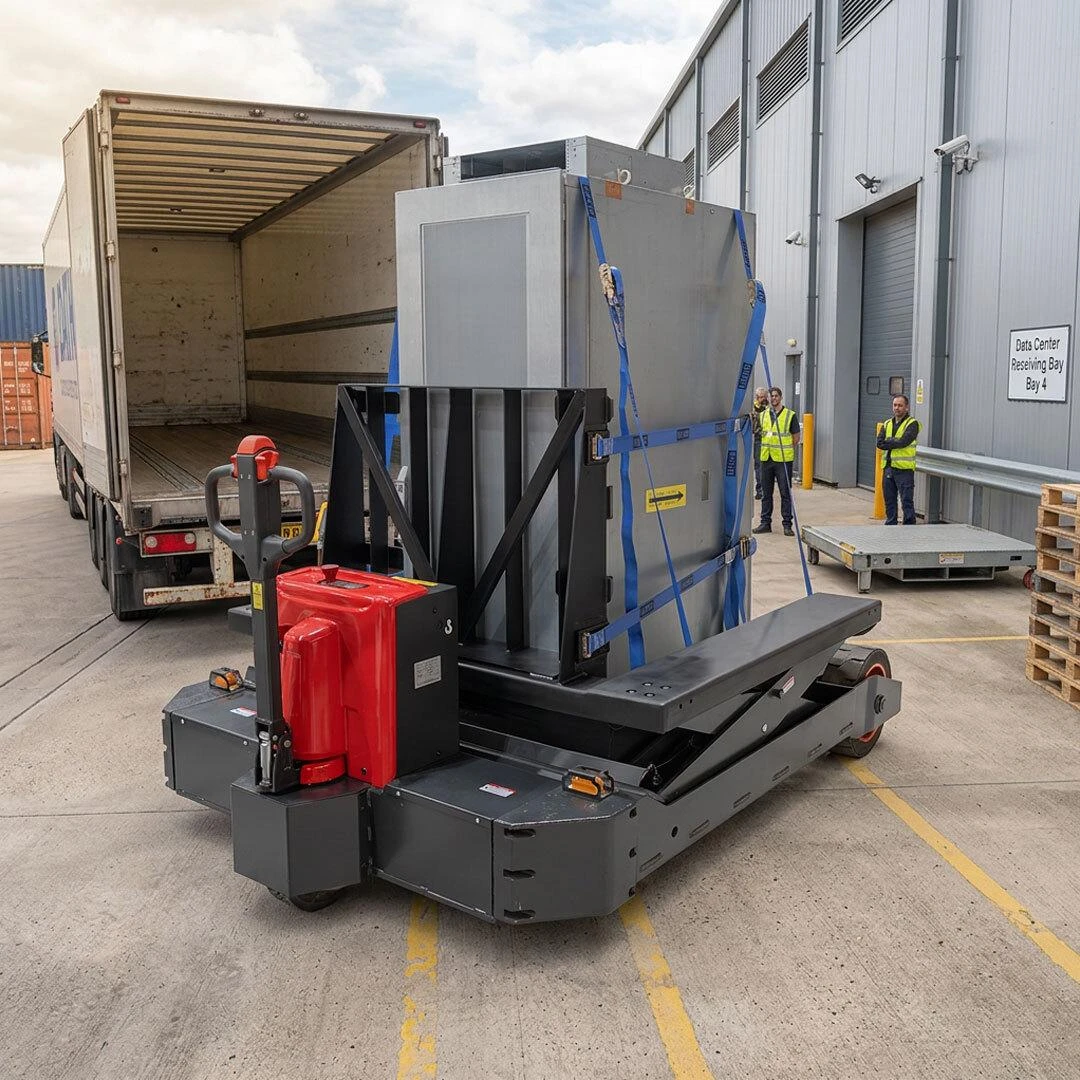
Server lifts and rack movers are indispensable for data centers. They address the challenge of moving bulky server equipment safely. These tools reduce the physical strain on workers.
Investing in a reliable server lift is prudent. It ensures heavy servers are transported without risking injury. With a good server lift, data centers can improve safety and efficiency.
Rack movers allow racks to be transported easily. The need to disassemble racks is eliminated. This results in time savings during critical upgrades and maintenance.
Benefits of server lifts and rack movers include:
-
Safe transportation of heavy servers
-
Elimination of disassembly requirements
-
Reduced worker strain and risk of injury
Deploying these tools enhances data center operations. They are vital components for any efficient material handling strategy.
Automated and Robotic Systems
Automation in data centers offers great potential. Automated systems streamline material handling tasks. This enhances speed and precision in operations.
Robotic systems, too, are increasingly adopted. These systems perform repetitive tasks efficiently. Reduced error rates and operational costs are significant benefits.
The use of robotics and automation can transform data centers:
-
Improved speed and precision
-
Lower operational costs
-
Reduced human error
Adopting these technologies enhances productivity and safety. Automation ensures tasks are performed consistently and accurately.
Incorporating automation and robotics can revolutionize material handling. Data centers will benefit from increased operational efficiency and safety.
Material Handling in Colocation and Hyperscale Environments
Your paragraph text goes here, and it will wrap around the left side of the floated image and button block above.
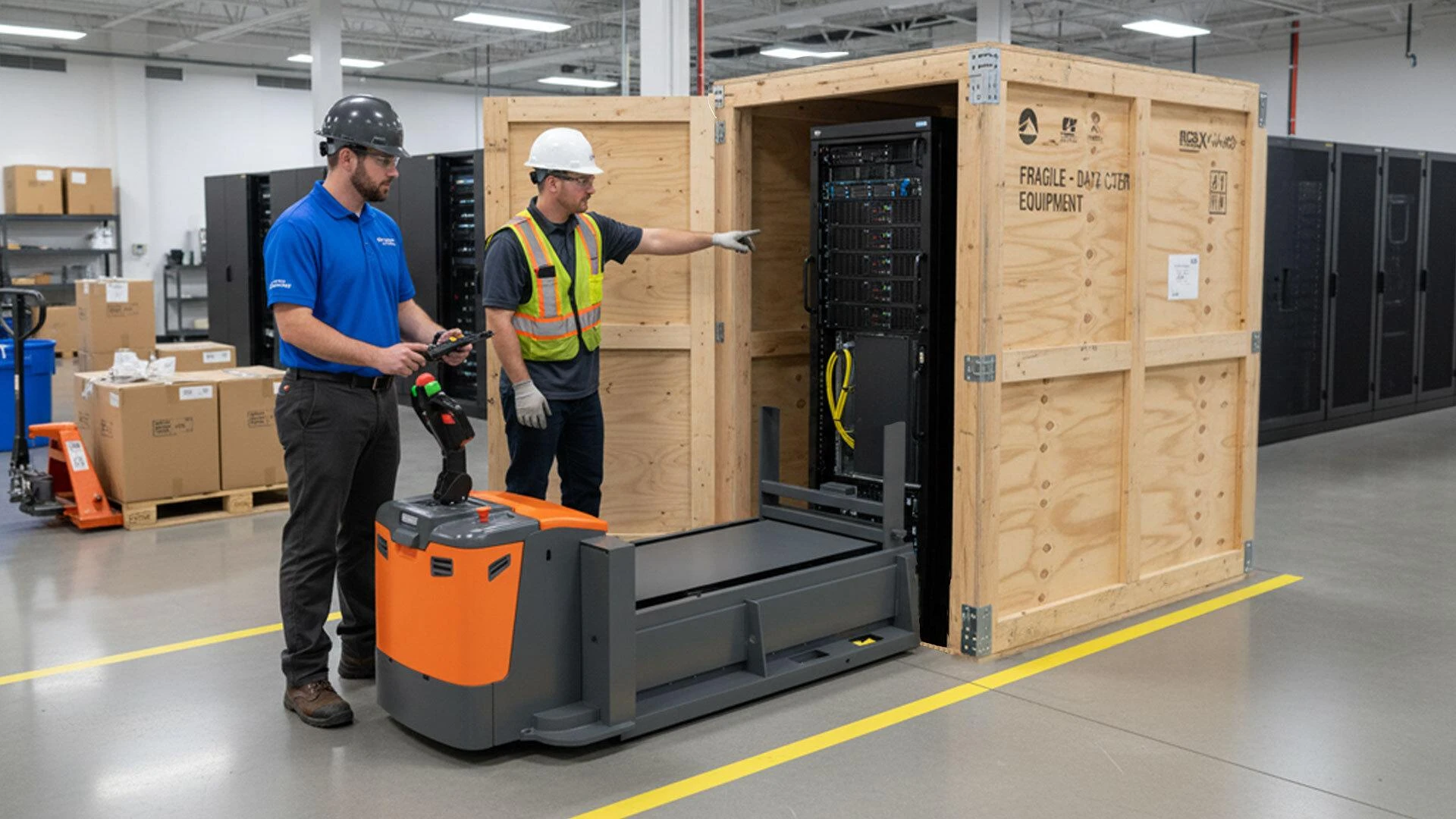
Colocation facilities and hyperscale data centers present unique challenges. Shared infrastructure in colocation facilities requires specialized handling. Effective coordination among different tenants is crucial.
Material handling in hyperscale environments is complex due to size. These data centers operate on a massive scale, requiring scalable solutions. Efficient handling strategies are vital for maintaining uptime.
In both environments, precision is key. Handling errors can lead to significant downtime and costs. Reliable systems and trained personnel help mitigate these risks effectively.
Key considerations in colocation and hyperscale settings include:
-
Coordination among multiple tenants
-
Scalable solutions for large operations
-
Precision and reliability to minimize errors
Implementing robust material handling strategies in these environments is essential. These strategies ensure smooth operations and high service levels. Tailored solutions can accommodate the distinct needs of each facility.
Inventory Management and Supply Chain Optimization
Effective inventory management is crucial in data centers. It ensures equipment and components are always accounted for. This leads to improved accessibility and reduced downtime.
Optimizing the supply chain involves streamlining processes. This helps in reducing costs and enhancing service delivery. It also facilitates timely equipment and component replenishment.
Key factors in successful inventory management and supply chain optimization include:
-
Real-time tracking of equipment
-
Efficient communication with suppliers
-
Timely data analysis for trends and forecasting
The integration of IoT technology can enhance tracking capabilities. It provides real-time data that aids in making informed decisions. This contributes to a more robust inventory management system.
Overall, these practices lead to a more efficient operation. They help in minimizing delays and unnecessary expenditures. Ensuring availability and accessibility of resources enhances data center reliability.
Safety, Ergonomics, and Compliance
Safety is a top priority in data center material handling. Proper protocols must be established and followed. This prevents accidents and ensures the well-being of employees.
Ergonomics plays a vital role in reducing injury risks. It involves designing tasks to suit human capabilities. This consideration boosts personnel efficiency and morale.
Compliance with industry regulations is essential. Data centers must meet safety and environmental standards. This compliance protects employees and assets while maintaining operational integrity.
Key safety and ergonomic considerations include:
-
Providing training on safe lifting techniques
-
Implementing ergonomic equipment design
-
Establishing clear safety guidelines
By adhering to these principles, data centers can achieve a safer work environment. This leads to more sustainable and productive operations. Ensuring compliance enhances both safety and efficiency.
Best Practices for Data Center Material Handling
Adopting best practices ensures efficient material handling operations. This helps in minimizing downtime and boosting productivity. Data centers must focus on continuous improvement and optimization.
Training is the foundation of effective material handling. Employees should receive comprehensive training. This empowers them with the skills to manage equipment safely.
Regular equipment maintenance prevents unexpected breakdowns. Data centers should schedule routine checks. This practice enhances reliability and extends equipment lifespan.
Key best practices include:
-
Conducting regular equipment audits
-
Implementing standard operating procedures (SOPs)
-
Encouraging open communication among team members
Another crucial aspect is inventory control. Efficient tracking systems can prevent stock outs. They also improve the overall operation flow within data centers.
Additional inventory management practices are:
-
Utilizing automated inventory systems
-
Maintaining accurate stock records
-
Establishing reorder points for critical items
Emphasizing these best practices leads to optimized material handling solutions. This, in turn, enhances data center performance and competitiveness.
Innovations and Future Trends in Material Handling
Material handling is evolving rapidly with advancements in technology. Data centers are now integrating cutting-edge solutions. These innovations enhance efficiency and accuracy.
Robotics is transforming how data centers operate. Automation allows for faster and safer equipment movement. This reduces the risk of human error significantly.
Key trends in material handling include:
-
Use of IoT for real-time tracking
-
Implementation of AI for predictive maintenance
-
Integration of renewable energy in handling systems
Sustainability is also gaining traction. Data centers focus on eco-friendly practices. This aligns with global sustainability goals while improving operational efficiency. As technologies develop, data centers will continue to innovate their material handling processes.
Conclusion: Optimizing Data Center Operations Through Material Handling
Effective material handling in data centers is pivotal for seamless operations. It enhances efficiency and ensures safety while reducing costs. By adopting innovative solutions, data centers can sustain growth and improve service delivery.
Incorporating modern tools and strategies is essential. These efforts not only optimize existing systems but also prepare for future demands. As technology evolves, the role of advanced material handling will become even more critical. Data centers that prioritize these practices will lead in both performance and sustainability.