










What to Look for in a Rolling Ladder | Ballymore
What to Look for in a Rolling Ladder: Safety and Design Features That Set Ballymore Apart
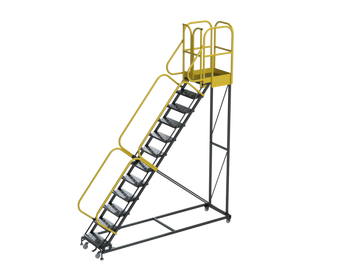
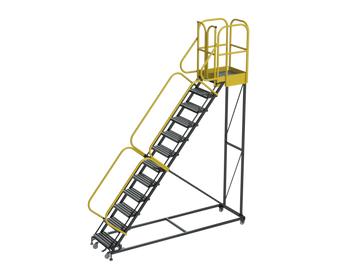
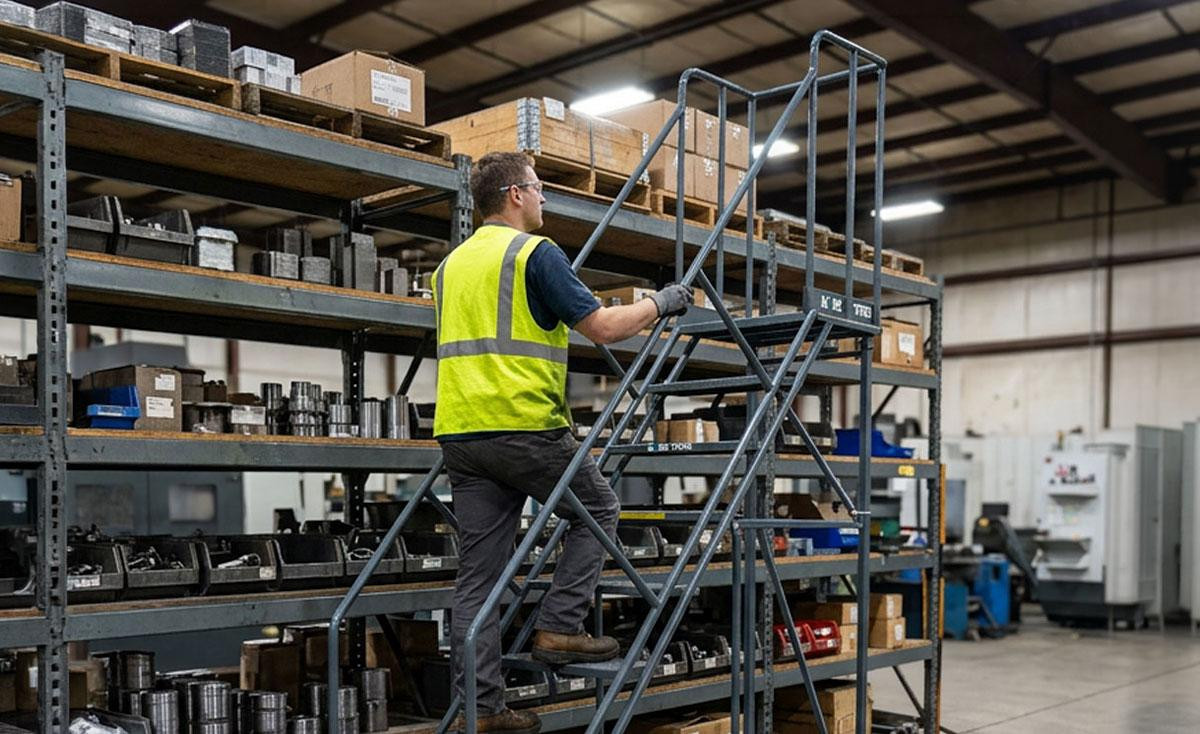
A rolling ladder is more than a set of steps on wheels. In warehouses, manufacturing facilities, stockrooms, retail environments, and other workplaces, the right rolling ladder needs to provide dependable access while fitting the way your team actually works.
That means looking beyond height and price. The locking mechanism, ladder material, tread design, step width, platform height, maneuverability, and available configurations can all make a difference in how well a rolling ladder performs in a facility.
Ballymore Safety Products designs rolling ladders around these considerations, offering multiple configurations and patented locking technologies to help facilities select access equipment suited to their specific applications.
What Makes a Rolling Ladder a Good Choice?
Rolling ladders are designed for applications where workers need to reach elevated storage, equipment, inventory, or work areas while being able to move the ladder when access is needed somewhere else.
A well-designed rolling ladder should provide:
- A stable climbing position
- Easy movement around the workplace
- Appropriate working height
- Suitable load capacity
- Secure footing
- A configuration that fits the available space
- A locking system suited to the ladder and application
- Materials and construction appropriate for the environment
Ballymore offers rolling ladders in multiple materials, tread styles, widths, heights, and locking configurations so facilities can select a ladder based on the job instead of trying to make one configuration work for every application.
Rolling Ladder Features to Compare
When choosing an industrial rolling ladder, it helps to compare the features that affect both everyday usability and climbing safety.
| Feature | Ballymore Rolling Ladder Options | Why It Matters |
|---|---|---|
| Locking System | Patented Weight Actuated Lockstep, patented Lift Assist Lockstep, Standard Lockstep, and Spring Loaded Casters | Provides different approaches to stabilizing the ladder based on the configuration and application. |
| Material | Powder-coated steel, aluminum, hybrid, and stainless steel | Different materials provide different combinations of strength, weight, corrosion resistance, and environmental suitability. |
| Tread | Perforated, expanded metal, serrated grating, abrasive mat, and ribbed options | Tread design affects footing and can be selected based on the work environment and application. |
| Step Width | 16-inch, 24-inch, and 36-inch standard widths | Width should be considered alongside aisle space, available floor area, and the type of work being performed. |
| Platform Height | Multiple heights and step configurations | The correct platform height helps workers reach the required working area without selecting more ladder than the application requires. |
| Top Step Options | Standard and deeper top step configurations | A deeper top step can be useful when the application involves bulky materials or requires additional standing space. |
| Maneuverability | Standard and all-directional configurations | Different configurations can help accommodate open work areas, narrow aisles, tight spaces, and applications requiring greater maneuverability. |
| Specialty Configurations | Front or rear exits, Employee Only signage, custom colors, and other specialty options | Specialty configurations can help tailor a rolling ladder to a facility's workflow and operational requirements. |
1. A Locking System Designed Around the Way the Ladder Is Used
One of the most important features to consider when choosing a rolling ladder is how it transitions between its mobile and climbing positions.
Ballymore offers several locking mechanisms, including patented Weight Actuated Lockstep and Lift Assist Lockstep systems, along with Standard Lockstep and Spring Loaded Caster configurations. Each approach is designed for different ladder configurations and applications.
Patented Weight Actuated Lockstep
Ballymore's Weight Actuated Lockstep is a patented locking system designed to automatically actuate when weight is applied to the stair section.
When a worker steps onto the ladder, the worker's weight activates the lockstep and secures the ladder to the floor in the climbing position. The system is designed to help prevent climbing while the ladder remains in its rolling position.
This is particularly useful for facilities where rolling ladders are moved frequently and workers need a straightforward transition from mobility to climbing.
The Weight Actuated Lockstep is available on a range of Ballymore rolling ladder configurations, including different heights, widths, tread options, and top step depths.
Patented Lift Assist Lockstep
Ballymore also offers its patented Lift Assist Lockstep. When weight is applied to the steps, the ladder automatically drops the front feet to the ground, securing the ladder for climbing.
Ballymore identifies Lift Assist Lockstep as its safest and most durable lockstep.
The important consideration for a facility is not simply whether a rolling ladder has a locking mechanism. It is whether the locking system is appropriate for the ladder's configuration, the working environment, and the way employees use the equipment.
Standard Lockstep
Standard Lockstep configurations are designed for applications over five steps. The ladder is raised into its rolling position when the lift bar is depressed, while the lockstep is released using the release bar in front of the first step.
Spring Loaded Casters
For shorter ladders with five steps or fewer, Ballymore offers Spring Loaded Caster configurations. The wheels retract under the user's weight, securing the ladder to the floor.
Having multiple locking approaches gives facilities more flexibility when selecting a rolling ladder for a specific application.
2. Multiple Materials for Different Work Environments
The material of a rolling ladder affects its weight, durability, corrosion resistance, and suitability for different environments.
Ballymore's ladder lineup includes powder-coated steel, aluminum, hybrid, and stainless steel options.
Powder-Coated Steel
Powder-coated steel rolling ladders are designed for general industrial applications and dry environments. Current Ballymore configurations range from 450 to 800 pounds in load capacity, depending on the ladder. The component-based construction also allows for replaceable parts.
Aluminum
Aluminum ladders provide a lighter-weight option for applications where maneuverability is important. Ballymore lists aluminum ladders at a 350-pound load capacity and notes that they can be used indoors and outdoors, but not around electricity.
Hybrid
Hybrid ladders combine aluminum and powder-coated steel to provide a combination of lightweight maneuverability and strength. Ballymore lists a 450-pound capacity for its hybrid ladder configurations.
Stainless Steel
Stainless steel rolling ladders are designed for environments where corrosion resistance, durability, and cleanability are important. Ballymore identifies food and marine environments among applications where stainless steel can be appropriate.
The key is to select the material based on the environment rather than simply choosing the lightest or heaviest option.
3. Tread Design Matters
The steps are where workers interact directly with the ladder, so tread design deserves careful consideration.
Ballymore offers several tread styles, including perforated, expanded metal, serrated grating, abrasive mat, and ribbed tread options. Each style is intended for different applications and environments.
Perforated Tread
Perforated tread provides slip resistance and is commonly used in retail and storeroom applications.
Expanded Metal Tread
Expanded metal tread provides an aggressive, self-cleaning surface that allows debris to fall through the tread. Ballymore identifies it as an option for warehouse and retail applications.
Serrated Grating Tread
Serrated grating provides a more aggressive tread pattern for applications where maximum slip resistance is a priority, including shop floor and industrial environments.
Abrasive Mat Tread
Abrasive mat tread uses a solid steel step with a non-skid abrasive mat. It provides another option for applications where a solid step surface is preferred.
Ribbed Tread
Ribbed tread is an economical aluminum tread option.
Selecting the right tread is about matching the ladder to the environment. A warehouse, clean retail area, manufacturing floor, and other workplace may have very different requirements.
4. The Right Rolling Ladder Height Is About More Than Reaching the Shelf
It can be tempting to choose a rolling ladder based solely on the highest point an employee needs to reach. A better approach is to consider platform height, working height, ceiling clearance, and the task being performed.
Ballymore recommends selecting platform height based on the operation being performed and notes that the maximum convenient working height is generally 5 to 6 feet above the top step or platform. Ballymore also recommends a minimum ceiling clearance of 6 to 7 feet above the top step or platform.
This is especially important in facilities with:
- Overhead lighting
- Sprinkler systems
- Ductwork
- Conveyors
- Low ceilings
- Shelving
- Doorways
- Other overhead obstructions
Choosing the correct height can make a rolling ladder more practical for everyday work while helping employees maintain a comfortable and controlled climbing position.
5. Step Width Should Match the Workspace
Rolling ladder width affects both usability and maneuverability.
Ballymore offers standard step widths of 16, 24, and 36 inches. The appropriate width depends on the environment, the available floor space, and the type of work being performed.
For larger ladders, a wider ladder may be appropriate when space allows. For applications involving bulky loads, Ballymore recommends considering a stairway slope ladder and/or a deeper top step.
Facility layout should also be considered before selecting a ladder. Doorways, aisle widths, storage areas, corners, and overhead obstructions can all affect which configuration will work best.
6. Rolling Ladders Can Be Configured for Different Applications
Not every facility has the same access requirements. A ladder used to stock shelves in a retail environment may have different requirements than one used in a warehouse or manufacturing facility.
Ballymore offers specialty and custom rolling ladder options that can address specific workplace requirements.
Available options include:
- Deep top steps
- All-directional configurations
- Employee Only signage
- Front exits
- Rear exits
- Custom colors
- Other custom configurations
Ballymore's ladder information also notes that custom orders are available when standard configurations do not meet a specific requirement.
This flexibility can be particularly valuable when a facility has limited aisle space, unusual access requirements, specific workflow considerations, or branding requirements.
7. Load Capacity Should Include the Worker and Materials
Load capacity is another important consideration when selecting an industrial rolling ladder.
The rated capacity needs to account for the combined weight of the worker and the materials being carried. Ballymore's ladder catalog defines load capacity as the combined weight of the user and materials.
For example, a worker carrying inventory, tools, components, or other materials needs to select a ladder with an appropriate capacity for the total working load.
Ballymore offers rolling ladder configurations with different capacities, including powder-coated steel options ranging from 450 to 800 pounds, depending on the model. Always verify the rated capacity of the specific ladder before use.
8. Safety Is Built Into the Selection Process
A properly selected rolling ladder is only part of a safe access program. Employees also need to use the ladder correctly and inspect it regularly.
Ballymore's ladder safety guidance recommends inspecting the ladder before use, including the rungs, locking mechanisms, feet, and frame. Workers should use three points of contact when climbing, operate the ladder on level and stable ground, engage the locking mechanism, stay centered on the ladder, and avoid overreaching.
Workers should also face the ladder when climbing or descending and descend one step at a time.
The locking system is particularly important because a rolling ladder needs to be stable in its climbing position before it is used.
What Should You Look for in a Rolling Ladder?
Before purchasing a rolling ladder, consider the following questions:
What locking mechanism is best for the application?
Look at how the ladder will be moved, how often it will be used, how many steps it has, and how workers will transition from the rolling position to the climbing position.
Ballymore offers Weight Actuated Lockstep, Lift Assist Lockstep, Standard Lockstep, and Spring Loaded Caster configurations for different applications.
What material is right for the environment?
Consider whether the ladder will be used in a dry warehouse, manufacturing facility, outdoor environment, food-related application, or another setting where corrosion resistance, weight, or cleanability is important.
What tread should you choose?
Consider the floor conditions, amount of debris, desired slip resistance, and type of workplace. Ballymore offers several tread styles to accommodate different applications.
How high do you actually need to reach?
Start with the working area, then consider platform height, working height, ceiling clearance, and the number of steps required.
How much space do you have?
Measure aisle widths, doorways, storage areas, corners, and overhead clearance before choosing the ladder dimensions.
What will the worker carry?
Remember that load capacity includes the worker and materials. Select the ladder based on the total expected load.
Do you need a specialty configuration?
Consider whether an all-directional design, deeper top step, front or rear exit, Employee Only signage, custom color, or another specialty option would improve the ladder's usefulness in your facility.
Why Ballymore Rolling Ladders Stand Out
A rolling ladder should be selected based on more than a single specification.
The right ladder combines a suitable locking system, material, tread, height, width, capacity, and configuration for the work environment. Ballymore brings these considerations together with a broad range of rolling ladder options and patented locking technologies.
From patented Weight Actuated Lockstep and Lift Assist Lockstep systems to multiple materials, tread designs, widths, heights, and specialty configurations, Ballymore rolling ladders are designed to give facilities more ways to match access equipment to the job.
When the details of the workplace matter, the details of the ladder matter too.
Frequently Asked Questions About Rolling Ladders
What is a rolling ladder?
A rolling ladder is a mobile access ladder designed to be moved around a workplace and secured in position for climbing. Rolling ladders are commonly used in warehouses, stockrooms, retail facilities, manufacturing environments, and other workplaces where employees need regular access to elevated areas.
Are Ballymore rolling ladders available with different locking mechanisms?
Yes. Ballymore offers patented Weight Actuated Lockstep and Lift Assist Lockstep systems, along with Standard Lockstep and Spring Loaded Caster configurations. The appropriate system depends on the ladder configuration and application.
What is Weight Actuated Lockstep?
Weight Actuated Lockstep is a patented Ballymore locking system that automatically actuates when weight is applied to the stair section. The system is designed to secure the rolling ladder to the floor in the climbing position.
What materials are Ballymore rolling ladders available in?
Ballymore offers rolling ladders in powder-coated steel, aluminum, hybrid, and stainless steel configurations. Material selection should be based on the application, environment, desired weight, capacity, and corrosion resistance requirements.
What tread options are available?
Ballymore offers perforated, expanded metal, serrated grating, abrasive mat, and ribbed tread options. Availability depends on the ladder material and configuration.
What rolling ladder width should I choose?
Ballymore offers standard step widths of 16, 24, and 36 inches. The appropriate width depends on the work environment, available space, ladder height, and the type of work being performed.
How much ceiling clearance does a rolling ladder need?
Ballymore recommends a minimum ceiling clearance of 6 to 7 feet above the top step or platform. Facilities should also account for overhead lighting, sprinklers, ductwork, conveyors, and other obstructions.
How do I choose the right rolling ladder height?
Start by determining the height of the area where work will be performed. Then consider the ladder's platform height, working height, ceiling clearance, and the number of steps required. Ballymore notes that the maximum convenient working height is generally 5 to 6 feet above the top step or platform.
Can Ballymore rolling ladders be customized?
Ballymore offers specialty options including deep top steps, all-directional configurations, Employee Only signage, front and rear exits, and custom colors. Custom orders are also available when a standard configuration does not meet a specific requirement.
How should a rolling ladder be used safely?
Inspect the ladder before use, make sure it is on a level and stable surface, engage the locking mechanism, maintain three points of contact while climbing, stay centered on the ladder, and avoid overreaching. Workers should face the ladder when climbing and descending.
What is the best rolling ladder for a warehouse?
The best warehouse rolling ladder depends on the height, aisle dimensions, floor conditions, load requirements, frequency of use, and the materials being handled. Ballymore offers multiple locking systems, materials, tread options, widths, heights, and configurations so facilities can select a ladder based on their specific application.
Choose the Rolling Ladder Built Around Your Application
Every workplace has different access requirements. The right rolling ladder should fit the space, support the work, provide the appropriate climbing surface, and use a locking system suited to the application.
Ballymore's rolling ladder lineup gives facilities the flexibility to choose those features individually rather than treating every application the same.
Explore Ballymore rolling ladders to find the configuration that fits your workplace.