










Top Workplace Safety Tips: Reduce Warehouse Injuries
A safer workplace starts with practical systems, not posters that fade into the background. In a warehouse, the best results come from clear employee safety guidelines, consistent training, smart equipment choices, and a workplace safety culture where people speak up before small hazards become serious injuries. These workplace safety tips focus on the warehouse injuries teams face most often: falls, strains, awkward lifting, and equipment-related incidents. In many facilities, safer outcomes also come from upgrading everyday access and handling tools, including our rolling safety ladders, work platforms, lift tables, and safety gates.
Why is workplace safety important?
Workplace safety is important because it protects people while helping operations stay reliable, compliant, and productive. When warehouse safety is treated as a daily operating standard, teams spend less time reacting to injuries, damaged goods, blocked aisles, or unsafe shortcuts. It also supports OSHA compliance by giving employers a structured way to identify hazards, train workers, document improvements, and keep safety expectations visible.
Safety also affects morale. Employees notice when leaders invest in safe work practices, listen to concerns, and provide the right tools for the job. That trust makes it easier for workers to report near misses, ask for help with heavy loads, and follow procedures even when the day gets busy.
Start with risk assessment strategies that match the work
A useful safety plan begins with a realistic look at how work actually happens. Risk assessment strategies should include walking the floor, observing peak activity, reviewing incident and near-miss reports, and asking employees which tasks feel rushed, awkward, or unclear. This kind of safety evaluation helps identify patterns that may not appear in a written policy.
In warehouses, focus on common exposure points: loading docks, storage racks, mezzanines, picking aisles, forklift zones, ladders, manual lifting areas, and packing stations. A strong safety compliance checklist should cover more than whether equipment exists. It should confirm that people know how to use it, inspections are documented, damaged tools are removed, and supervisors follow up when hazards are found.
A simple inspection rhythm can include:
- Daily checks: spills, cluttered aisles, blocked exits, unstable pallets, and missing signage.
- Weekly equipment reviews: ladders, carts, dollies, guardrails, and fall protection equipment.
- Monthly trend reviews: injury reports, near misses, recurring housekeeping issues, and training gaps.
- Seasonal updates: staffing changes, new workflows, weather-related slip risks, and procedure updates.
Training turns rules into habits
Safety training programs work best when they are specific, hands-on, and repeated often enough to become part of the job. Generic videos may introduce safety topics workplace teams should know, but warehouse employees also need practice with real tasks: stacking, lifting, climbing, securing loads, reporting hazards, and moving through shared equipment zones.
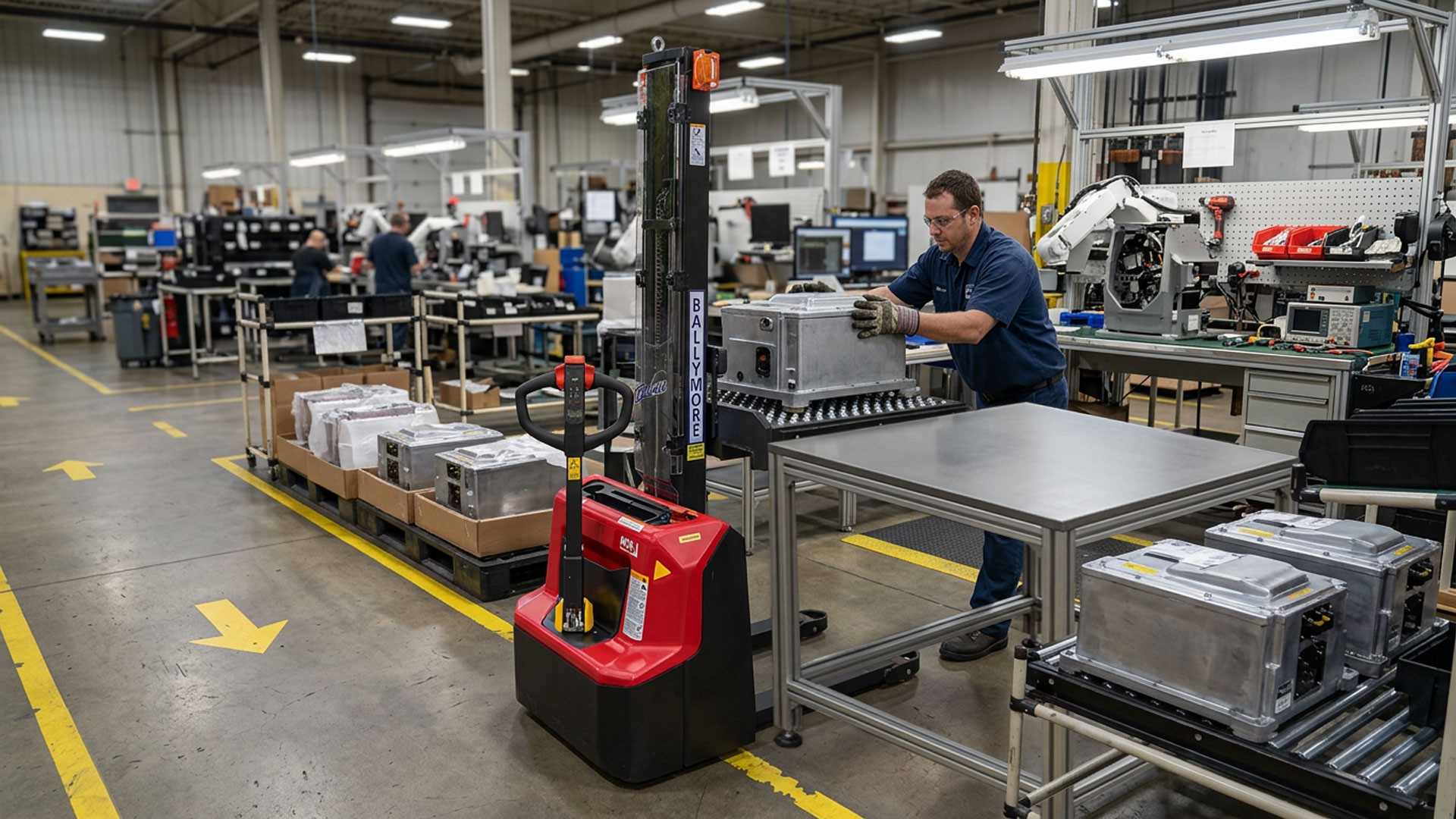
Material handling safety deserves special attention because many injuries come from lifting too much, twisting while carrying, reaching from awkward positions, or rushing heavy items without help. Training should show workers when to use carts, dollies, pallet jacks, lift assists, team lifts, or revised picking methods. Supervisors should reinforce that asking for equipment is not slowing the job down, it is part of doing the job correctly. Where the same items are lifted repeatedly, consider engineering controls like our lift tables and adjustable work platforms, so the safest method is also the easiest method.
Training should also explain what employees are expected to do when something feels unsafe. Clear employee safety guidelines might include stopping work when a ladder is damaged, tagging equipment out of service, reporting blocked exits immediately, and documenting near misses without fear of blame.
How can ladder safety training prevent warehouse falls?
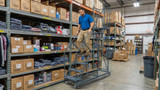
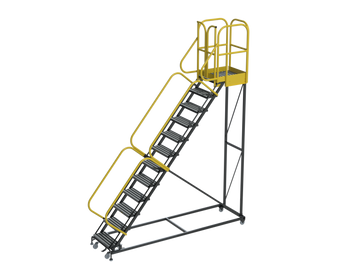
Ladder safety training prevents falls by teaching workers how to choose the right ladder, inspect it before use, position it correctly, and avoid risky movement while elevated. In warehouses, this should include rolling ladder safety because rolling platforms are common around racks, shelves, and maintenance areas. Employees need to understand that convenience never replaces secure placement.
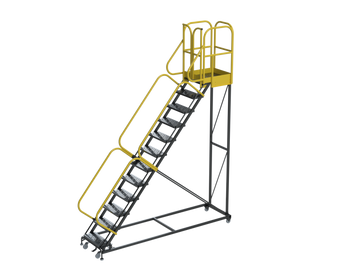
Effective ladder instruction should demonstrate how to check steps, rails, wheels, brakes, labels, and the safe ladder locking mechanism, sometimes called a lockstep, before climbing. Workers should know not to move a rolling ladder while someone is on it, not to overreach from the platform, and not to use damaged ladders just once. If a ladder does not lock firmly, wobbles, has worn treads, or rolls unexpectedly, it should be removed from service until inspected.
Fall prevention is strongest when training is paired with the right equipment. Guardrails, toe boards, stable platforms, marked pedestrian routes, and appropriate fall protection equipment reduce reliance on balance and luck. In addition to step ladders, many warehouses standardize on rolling safety ladders or rolling platforms, including our own product lines, for repetitive access tasks. When specifying equipment, look for features that support safer use, such as stable handholds, high-traction steps, and a reliable locking mechanism. Where employees work at height regularly, the safety evaluation should determine whether ladders are still the right tool or whether another access solution would be safer.
Know the standards your equipment should meet
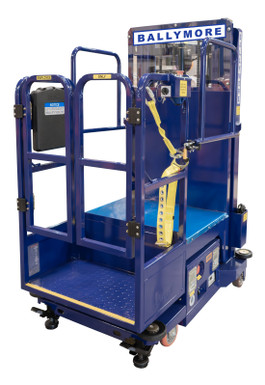
Workplace safety equipment should meet recognized codes, not just look sturdy. Rolling ladders are built to OSHA 1910.29 and ANSI A14.7 standards, while personnel lifts are built to ANSI A92.3 standards. If equipment is shipping to California or Canada, confirm it specifically meets CAL-OSHA requirements, since standard OSHA and ANSI compliance shouldn't be assumed to automatically cover those regions. When reviewing a safety compliance checklist, confirming which standard a piece of equipment is built to matters just as much as confirming it's inspected and in good condition.
Ergonomics protects backs, shoulders, and long-term health
Many warehouse injuries are not dramatic falls, they are strains that build from repeated lifting, bending, reaching, pushing, or pulling. An ergonomic evaluation looks at the relationship between the worker, the task, the load, and the workstation. The goal is musculoskeletal injury prevention that workplace teams can actually sustain, not simply reminding people to lift with their legs.
If leaders are asking how to reduce back injuries in material handling, the answer usually involves redesigning the task as much as coaching the worker. Heavy or high-frequency items should be stored between knee and shoulder height when possible. Workstations should reduce twisting. Loads should be broken down, staged closer to the body, or moved with mechanical assistance.
Practical ergonomic material handling solutions include:
- Lift-assist devices for repetitive or heavy items.
- Lift tables and work positioners, including our own lift table lines, to bring loads into a safer range of motion.
- Carts, dollies, conveyors, and pallet positioners to reduce carrying distance.
- Adjustable packing tables that fit different workers and tasks.
- Anti-fatigue mats where employees stand for long periods.
- Slotting strategies that place fast-moving products in easier-to-reach locations.
- Job rotation that changes body demands instead of repeating the same motion all shift.
For complex work areas, consulting an ergonomic safety professional can help identify risks that are easy to miss internally. A professional can observe tasks, recommend layout changes, and help prioritize improvements based on severity and frequency.
Build a workplace safety culture people actually use
A strong workplace safety culture is built through repeated actions. Leaders must model safe behavior, correct hazards consistently, and make it easy for employees to participate. If workers only hear about safety after an injury, safety becomes a punishment. If they discuss it during planning, shift huddles, inspections, and process changes, it becomes part of the operation.
Employee involvement is especially important in warehouses because floor teams often see hazards before managers do. Safety committees, short weekly meetings, anonymous reporting options, and recognition for safe work practices can all strengthen engagement. The key is follow-through. When employees report a hazard, they should see what changed, even if the answer is a temporary fix while a permanent solution is planned.
Useful culture-building habits include:
- Ask workers which tasks feel unsafe or inefficient.
- Review near misses without blame.
- Share lessons learned across shifts and departments.
- Train supervisors to coach instead of only discipline.
- Celebrate hazard reporting, not just injury-free days.
Make safety information easy to find and act on
Safety communication should be designed so employees and stakeholders can quickly find the right guidance, whether it lives on a public website, an internal knowledge base, or a digital training hub. Use clear page titles, descriptive headings, and plain-language phrases employees would actually search, such as material handling safety or rolling ladder safety. Organize content with definitions, checklists, and step-by-step instructions so the most important guidance is obvious, current, and easy to follow.
A practical takeaway for safer warehouse work
Enhancing safety is not a one-time campaign. It's a cycle of observing work, assessing risk, training people, improving equipment, and listening to employees. Start with the highest-risk areas, especially ladders, falls, material handling, and ergonomic strain, then use a safety compliance checklist to keep progress visible.
The most effective programs combine OSHA compliance with practical habits employees can use every shift. When safe work practices are clear, equipment is maintained, and workers are invited into the process, reducing injuries warehouse-wide becomes a realistic, measurable goal rather than a slogan. Pair training with fit-for-purpose equipment, such as rolling safety ladders, work platforms, lift tables, and safety gates, to help make the safest choice the easiest choice.